

Why Are Bengal Cats Illegal in Some Places? Because the Tests Differ
No US federal ban exists, Hawaii bans the cross outright, New York City's code has no exemption its own state grants, and Australia closed imports in 2025. Jurisdiction by jurisdiction.

Published August 21, 2026 6 min read
Contents
The Bengal descends from a cross between the domestic cat and the Asian leopard cat. That ancestry is why a handful of jurisdictions regulate it like no other breed on this site. The key to the whole map: different places use entirely different TESTS. Some count generations, one weighs the cat, one looks at its face, and one bans the cross by name. Assuming the internet's favorite "F5 rule" applies where you live is exactly the mistake this page exists to prevent.
United States: no federal ban, and one state with a real one
There is no US federal ban on owning a Bengal. The Big Cat Public Safety Act restricts "any live species of lion, tiger, leopard, cheetah, jaguar, or cougar or any hybrid of such species." The statute's own binomial names confirm "leopard" means Panthera pardus, the big cat, not the leopard cat. Hawaii is the true ban. Its Prohibited Animal List names "Felis catus crossed with... leopard cat" with no generation language anywhere in its lists (we searched all of them for "Bengal," "F4," "F5" and "SBT": zero hits). A many-generations-removed registered Bengal is prohibited there on the same footing as an F1.
New York: the state exempts, the city does not
New York State law defines hybrid cats as "wild animals" but expressly excludes "hybrids of Felis catus that are registered by the American Cat Fanciers Association or the International Cat Association provided that such cats be without any wild felid parentage for a minimum of five generations." So an F5-plus, registered Bengal is outside the state ban.
New York City's Health Code contains no such exemption in its text: Article 161 prohibits "any hybrid or cross-breed offspring of a wild cat and domesticated or other cat," with no generation floor anywhere in the article. Read as written, the city's text catches cats the state itself no longer classifies as wild. Whether NYC enforcement distinguishes an SBT Bengal in practice is unknown. No enforcement record was found, and we publish the statute as written rather than guessing either way.
The generation-counting states
Where the F-number does decide, the line moves by state, per the statute and regulation texts as reproduced by the legal compilations we read (labeled accordingly, not reopened at every state host). Georgia licenses exotics but exempts the "domestic Bengal cat," defined in the statute as registered and at least four generations from the leopard cat. Its DNR policy requires F4-plus, registration, proof of origin and a microchip. Alaska makes cat hybrids permit-required, with an affirmative defense for -recognized, pedigreed cats four-plus generations removed. Iowa excludes fourth-or-later generation Bengals from its dangerous-wild-animal law.
Massachusetts exempts registered cats "without any wild felid parentage for a minimum of three generations (F4)." Connecticut today exempts any , or ACFA certified breed (its older Bengal-specific clause closed its registration window in 1996). One Connecticut oddity survives in the current text: for rabies-control purposes a Bengal "shall be considered not vaccinated" regardless of its actual vaccination status. California: no Bengal-specific state statute surfaced in our research at all, and we found no text making the breed anything other than a cat there. The popular "legal in California" answer matches that absence, which is not the same thing as a statute saying so.
United Kingdom: one country, two answers
In England, Wales and Scotland, the Dangerous Wild Animals Act's schedule licenses an F1 Bengal (a direct leopard-cat cross) and excepts F2 and later. Since the 2007 and 2008 schedule revisions, an ordinary pet Bengal needs no licence in Great Britain. Northern Ireland's own official guidance says the opposite: "Bengal cats therefore DO require a licence," with no generation threshold anywhere in the document. Same kingdom, different rule. One more UK layer, a registry rule rather than law: will only register an imported Bengal with a four-generation Bengal-only . An F2 or F3 can therefore be legal to own and still unregisterable.
Canada: three provinces, three different tests
Quebec uses the only morphological test in our research: its captive-animal regulation exempts a hybrid "for which it is easy to determine, by its morphological characteristics, that one of its parents is a domestic cat." Alberta, per named provincial correspondence reproduced by a compilation, treats F1 through F3 as illegal to own and F4-plus as legal. Toronto's municipal code and British Columbia's controlled-species regulation are both silent on hybrids. Each exempts "Felis catus" and says nothing about where an early-generation cross falls, an absence we state as an absence.
Australia: an import door that closed in 2025
Australia's rule is about IMPORT, not ownership. From 2013, importers could bring in a Bengal proven five generations removed from the leopard cat. The government ended that exemption effective 1 March 2025, stating that imported crosses "have often had a high percentage of Asian leopard cat genes." No Bengal import is permitted pending a Live Import List decision (a public consultation on an application closed 10 October 2025; its outcome had not been published when we researched). An already-resident Bengal remains an ordinary cat under state companion-animal rules. Nothing we found restricts owning, breeding or showing one domestically.
One question, five different tests
| Jurisdiction | Test used | Where the line falls |
|---|---|---|
| Hawaii | Species name | The cross is banned outright, any generation |
| New York State | Generation + registry | F5+, ACFA or registered, exempt |
| New York City | None in the text | Health Code names no exemption; enforcement practice undocumented |
| Georgia, Alaska, Iowa, Massachusetts | Generation (per compilations) | F4-plus registered cats exempt or defensible |
| Great Britain | Generation | F1 licensed, F2 and later free |
| Northern Ireland | None | Official guidance: all Bengals need a licence |
| Quebec | Morphology | Exempt if it visibly reads as a domestic cat's offspring |
| Australia (federal) | Import date | No Bengal imports since 1 March 2025; resident cats live under ordinary cat law |
 The vet's take

Veterinary review
Are you a vet?
Your professional read belongs here: every verified practitioner can leave a note, published once our editors have reviewed it.
Sign in and get your license number verified. We check it in the public register, we never ask for or keep a copy of your diploma, and your number is never published.
Frequently asked questions
Why are Bengal cats illegal in some states?
Because early generations are legally closer to the wild parent: most restricting states license or ban F1 to F3 cats and exempt registered F4-plus or F5-plus Bengals. Hawaii is the exception that bans the cross outright.
Are Bengal cats legal in California?
We found no California statute restricting Bengals at any generation; the breed is treated as a cat there, though no text says so affirmatively.
Are Bengal cats legal in New York?
New York State exempts registered Bengals five generations from wild parentage. New York City's Health Code text carries no such exemption, and its enforcement practice is not documented anywhere we could verify.
Are Bengal cats legal in Australia?
Owning one already in the country: yes, under ordinary cat rules. Importing one: no, since 1 March 2025, pending a Live Import List decision.
Are Bengal cats legal in the UK?
In England, Wales and Scotland, F2 and later need no licence (an F1 does). Northern Ireland's guidance requires a licence for Bengals without exception.
 Community questions
Got a question this page doesn't cover? Ask it: the best ones get published here with their answer.
This is information, not veterinary advice, and it cannot tell you what is wrong with your cat. Our rule is a simple one: if something is wrong with your cat, call your vet, and call an emergency clinic if it is out of hours. Nothing you read here is a reason to wait.
Medical information applies to every reader. Prices, legal duties and common practice do not: unless stated otherwise, they are given for the United States, and they differ in the UK, Canada and Australia, and often between states or provinces. Check with your own vet and your own local authority.
Our sources
- 16 USC 3372
- 16 USC 3371
- Hawaii prohibited list
- NY ECL 11-0512
- NY ECL 11-0103
- NYC Health Code Art. 161
- CT 26-40a via hybridlaw compilation
- DWAA 1976 Schedule
- NI guidance PDF
- GCCF Bengal Registration Policy
- Toronto Municipal Code ch. 349
- BC Reg 94/2009
- Quebec RLRQ c C-61.1 r 5.1
- DCCEEW release via Mirage News
- hybridlaw.org state compilations

Worth keeping a paw on
Pin this guide
So you can find it the day you need it, and share it with someone whose cat does the same thing. One click and it sits in your board.
Pin it on Pinterest
 Purr or Pass
The cat newsletter
Our verified guides, no spam. Unsubscribe in one click.
More Bengal guides
The Bengal profile →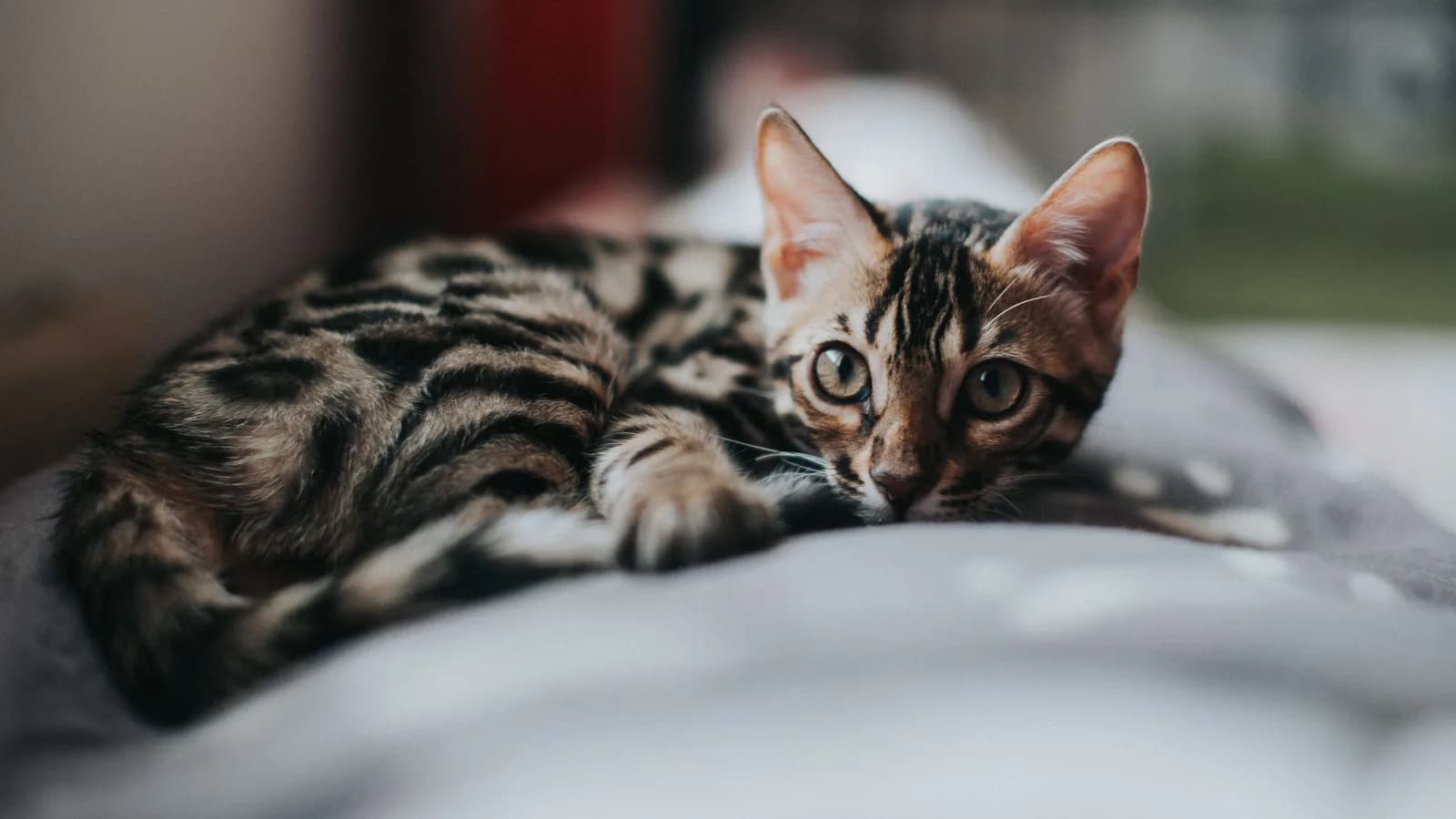
Bengal guide
Bengal Cat Price: What Named Sellers Charge, Market by Market
What Bengal kittens cost at named catteries in the US, UK, Canada and Australia, why the pet-or-breeder tier moves the price more than color, and the red flags.
Read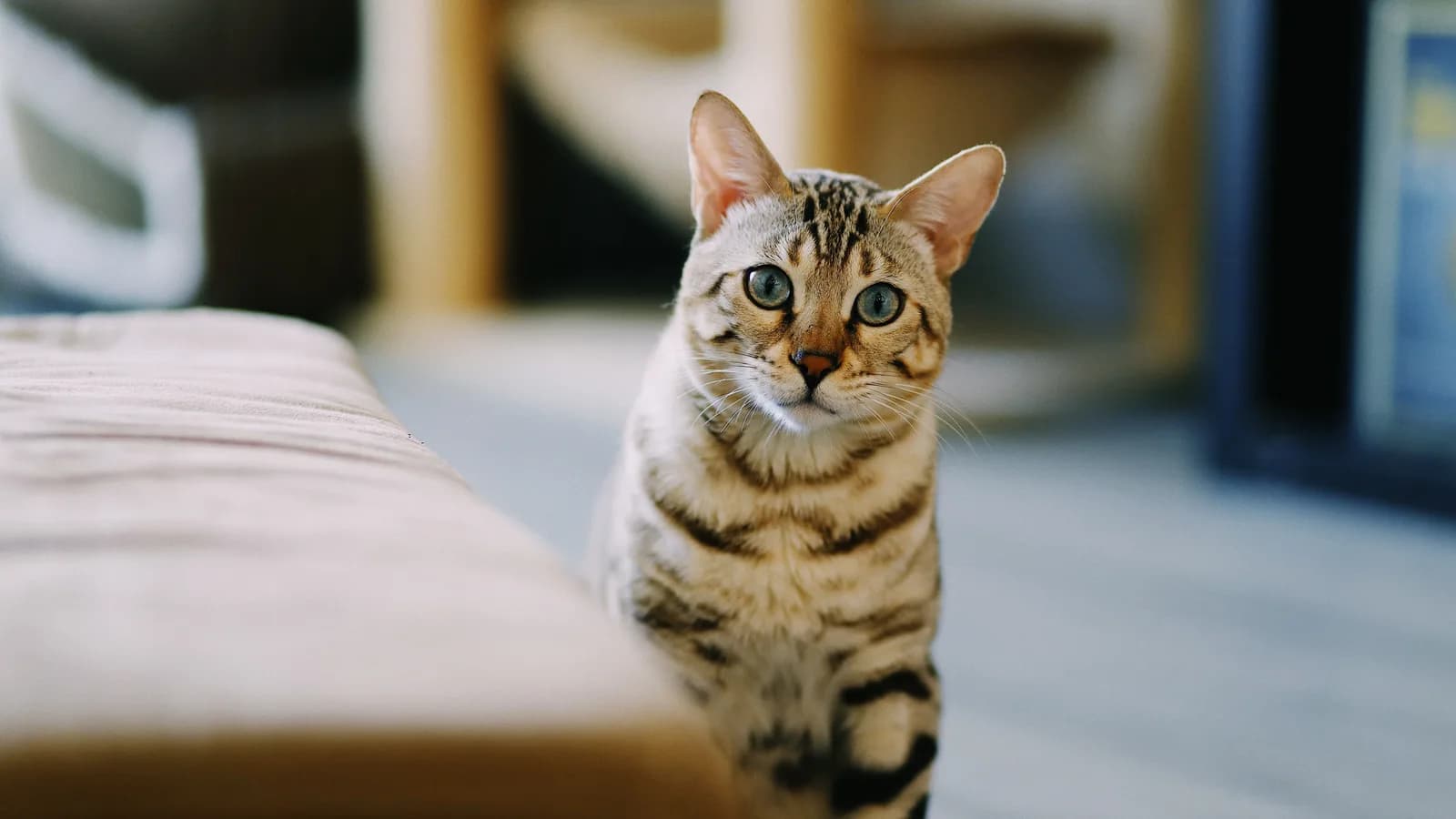
Bengal guide
Silver Bengal Cat: The Leopard Print in Black and White
The silver Bengal's pewter shine comes from a gene that suppresses warm pigment. What the registries say, what real silver kittens sold for, and the test that does not exist.
Read
Bengal guide
Snow Bengal Cat: Three Cats Wearing One Name
A snow Bengal is one of three distinct genotypes, and the eye color tells you which: blue for lynx, aqua for mink, gold or green for sepia. The full field guide, from the standards.
Read
Bengal guide
Black Bengal Cat: What "Melanistic" Actually Buys You
Black Bengals exist, and the registries file the melanistic coat as their odd one out: never showable, always registrable. Ghost markings, genetics and honest prices.
Read
Bengal guide
Are Bengal Cats Hypoallergenic? No, and the Coat Story Doesn't Hold
Three peer-reviewed reviews agree: no data supports a hypoallergenic Bengal. What Fel d 1 actually is, why the single-coat story fails, and what low shedding really buys you.
Read
Bengal guide
Bengal Cat Size: A Medium Cat Wearing a Big Cat's Coat
The largest measured sample puts a typical Bengal at 4 kg, the average pet cat's weight. Why the breed looks bigger, what the registries say, and when full size arrives.
Read
Bengal guide
Bengal Cat Breeders: What "Registered" Buys You, Market by Market
What "registered" means for a Bengal in each market, the three tests every registry names, TICA's and CFA's own scam checklists, and the questions that sort breeders fast.
Read
Bengal guide
Marble Bengal Cat: Swirls Where the Spots Should Be
The marble Bengal wears flowing swirls instead of rosettes, and the standards judge it by one rule: the less it looks like an ordinary tabby, the better. Genetics and prices included.
Read
Bengal guide
Blue Bengal Cat: Leopard Print in Steel Grey
The blue Bengal's steel-grey coat comes from one ancient dilution mutation. Where each registry stands on it in 2026, from preliminary UK status to full Canadian recognition.
Read
Bengal guide
Bengal Cat Colors: One Palette, Five Registries, Real Differences
Every Bengal color and pattern, registry by registry: brown, snow, silver, charcoal, blue and melanistic, and why the same coat can be a champion in one country and unlisted in another.
Read
Bengal guide
Charcoal Bengal Cat: The Color With Its Own Published Genotype
The charcoal Bengal's dark mask and cape come from a documented pairing of one leopard cat gene and one domestic gene, and the registries disagree about what to do with it.
Read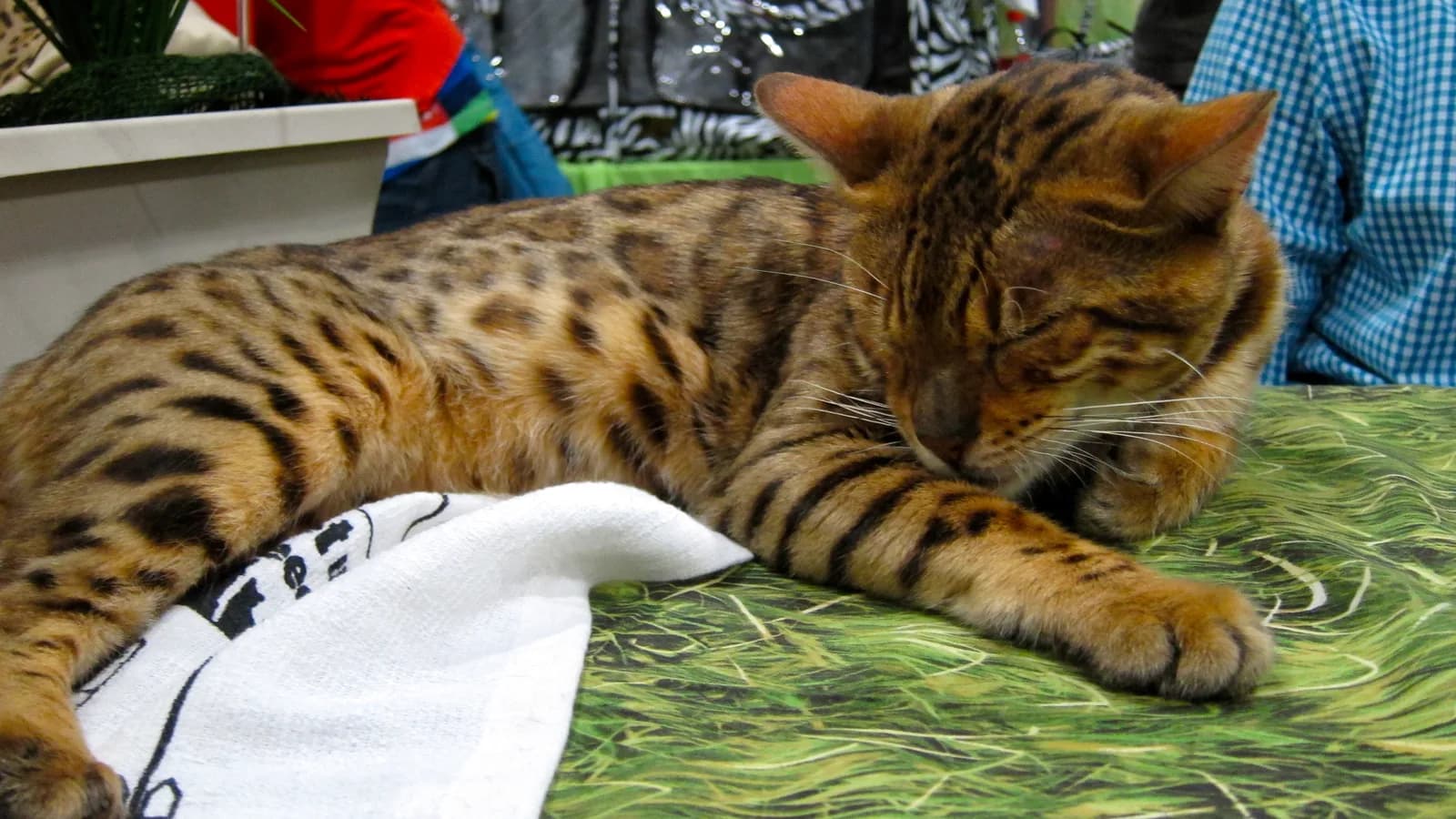
Bengal guide
Bengal Cat Lifespan: What Was Measured, and What Gets Repeated
Two UK studies measured Bengal life expectancy at 8.5 and 7.3 years; every registry prints 12 to 16 with no study behind it. Both sets of numbers, with their samples and caveats.
Read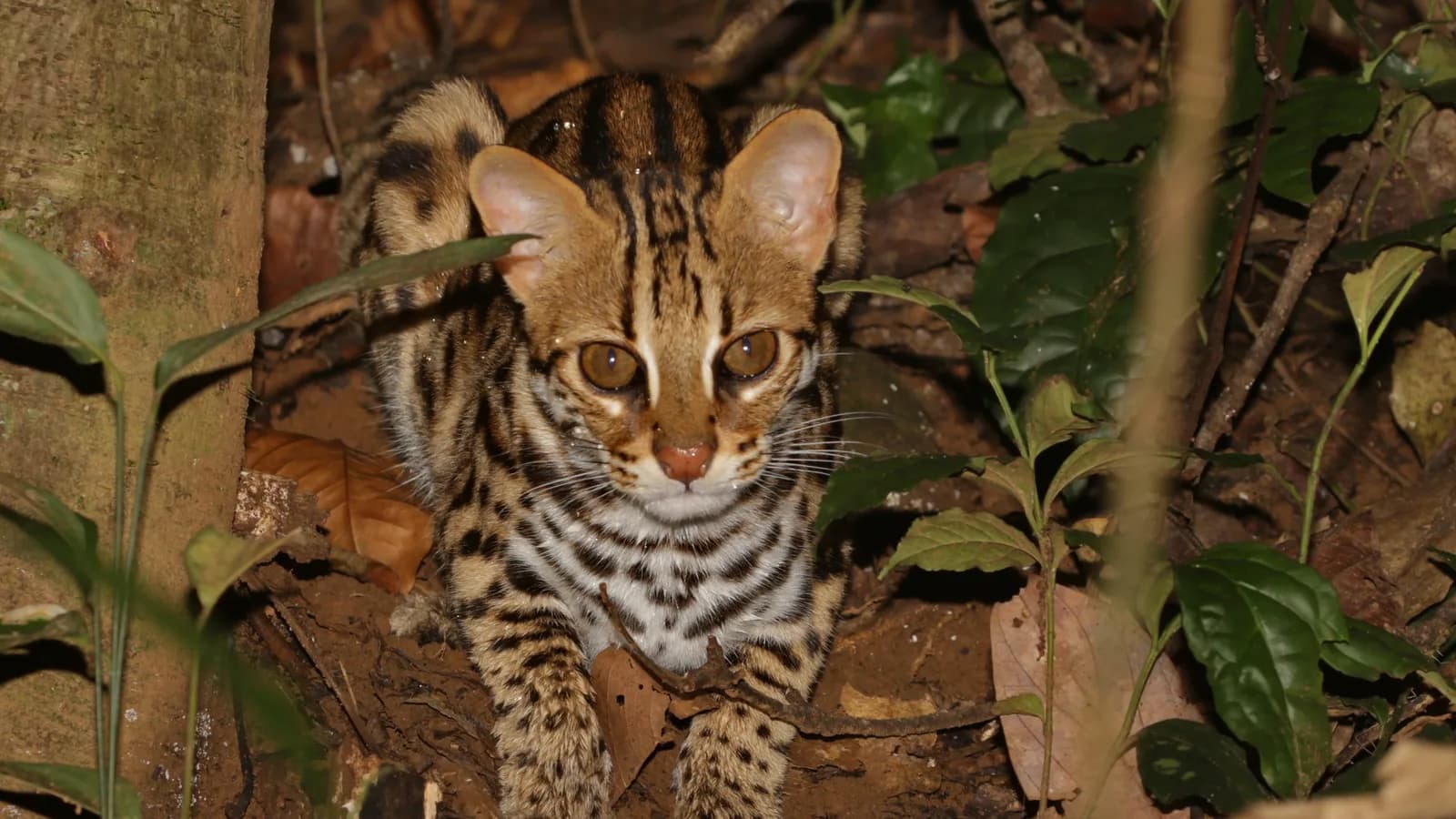
Bengal guide
F1 to F5 Bengal Cats: The Ladder, From the Registries' Own Rules
F1, F2, SBT: the Bengal's generation ladder decides what a registry will show, what the law allows, and what the AAFP admits nobody has studied. The registry-sourced explainer.
Read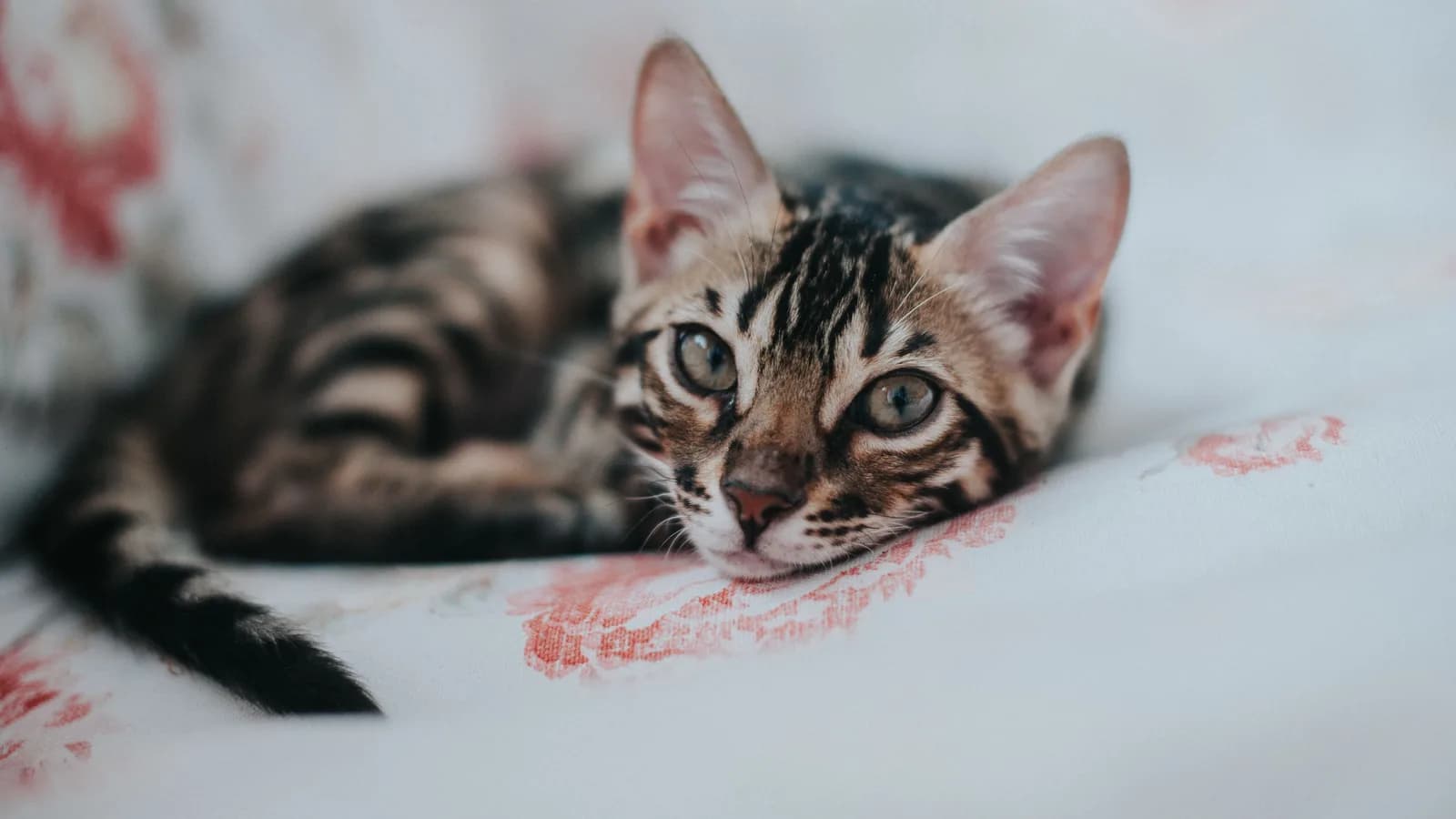
Bengal guide
Do Bengal Cats Shed? Yes, Lightly, on One Weekly Brush
Bengals shed less than most shorthairs, per the registries' own words, but they do shed. The weekly routine four sources agree on, the spring molt, and the coat facts sellers get wrong.
Read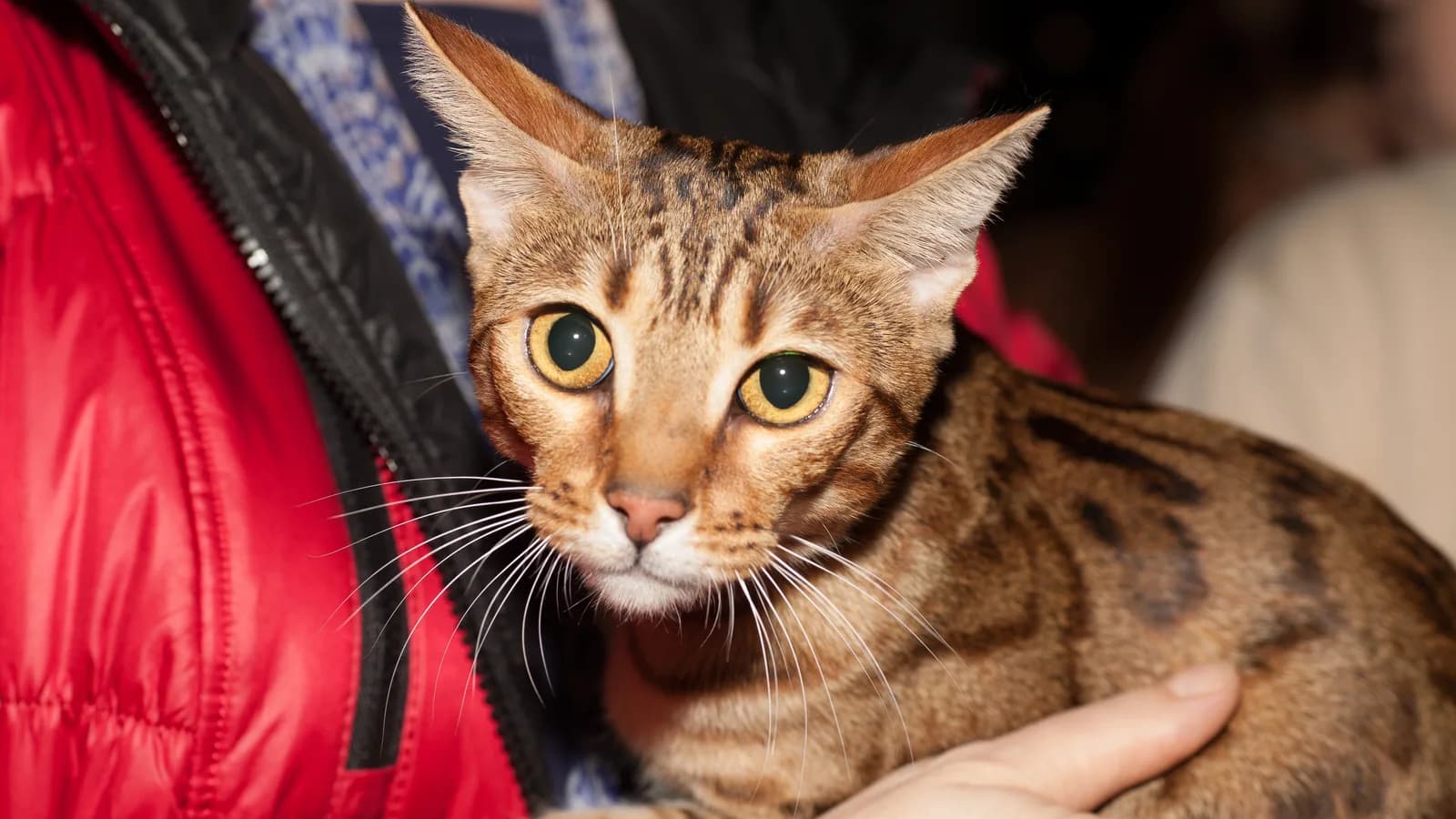
Bengal guide
Bengal Cat Mix: Reading the Cat in Front of You
The registry checklist for spotting Bengal ancestry, why "Bengal mix" is not a registered category anywhere, and the honest limits DNA-test makers state about their own results.
Read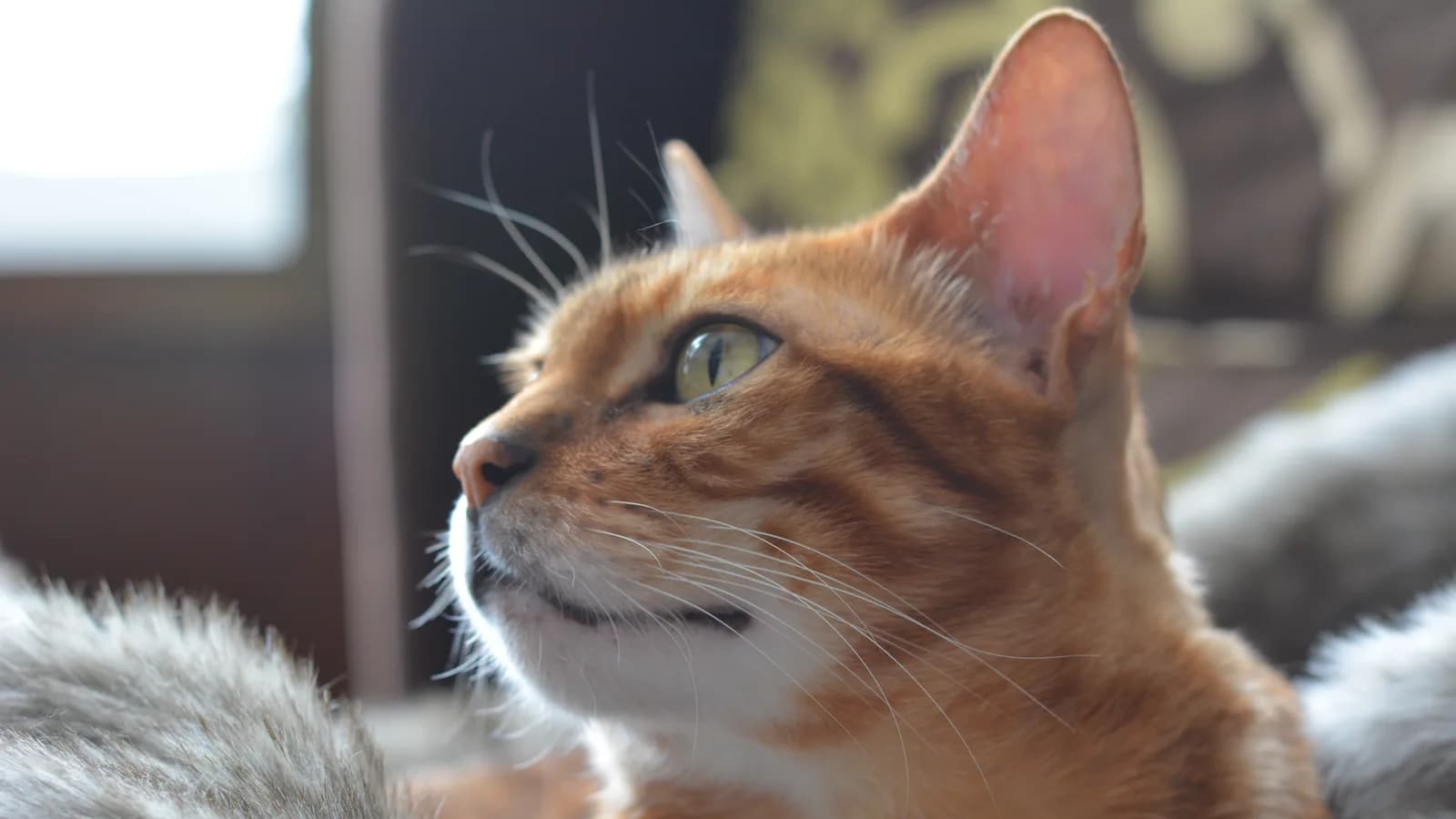
Bengal guide
Bengal Cat Names: Steal From the Breed's Own Story
Names from the Bengal's own story: the founding Millwood cats, the record holders, the leopard cat's Latin name, and editorial picks for spotted, snow and charcoal coats.
Read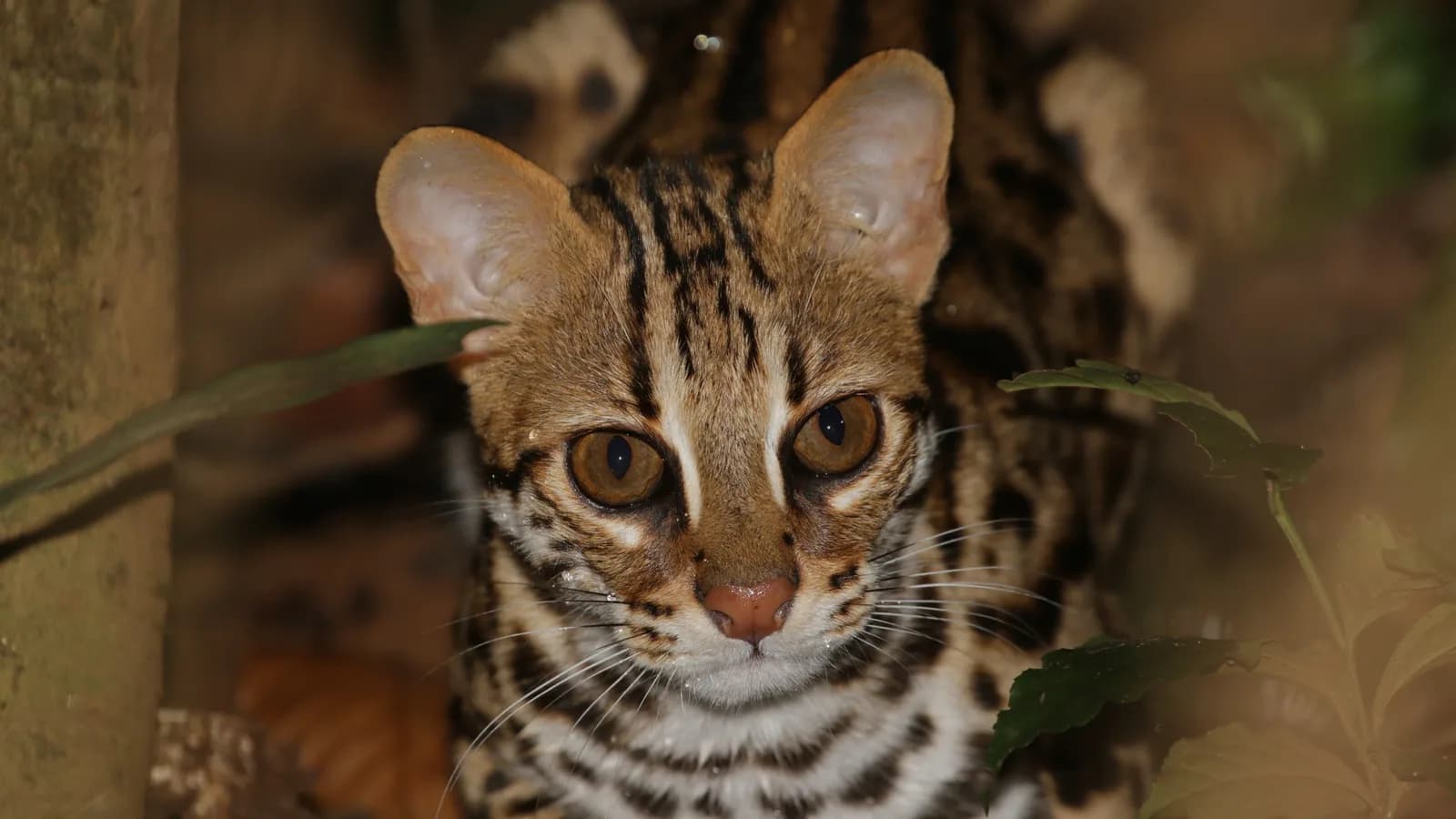
Bengal guide
Bengal Cat History: Two Programs, One Breed, Thirty Years of Paperwork
The Bengal began as a 1963 backyard cross and a leukemia-research program, spent years named Leopardette, and took 30 years to win over every registry. The dated, cited story.
Read
The floor belongs to our members. Keep it kind, links are not allowed, and images go through moderation before anyone else sees them.