

Are Bengal Cats Hypoallergenic? No, and the Coat Story Doesn't Hold
Three peer-reviewed reviews agree: no data supports a hypoallergenic Bengal. What Fel d 1 actually is, why the single-coat story fails, and what low shedding really buys you.

Published August 21, 2026 3 min read
Contents
The short answer: no cat is hypoallergenic, and no study has ever measured Bengals as producing less allergen than other cats. The longer answer is more interesting. The Bengal version of this claim comes with a mechanism ("single-layer pelt, less dander"), and the allergy literature directly contradicts the mechanism, not just the conclusion.
Every cat makes the allergen
The thing most allergic people react to is a protein called . Two independent peer-reviewed reviews state the baseline in nearly identical words: all cats produce Fel d 1 regardless of breed, age, hair length, sex, housing or body weight. There are, in the 2019 review's own phrasing, "no allergen-free or hypoallergenic cats." That is the floor under every breed claim, Bengal included.
The Bengal-specific evidence: none exists
A 2021 review written for veterinarians addressed breed claims head-on: "There are many anecdotal reports about certain breeds of cats being less allergenic, but no scientific data to substantiate any claims." No peer-reviewed study has measured in Bengals. The one study that tested cats marketed as "hypoallergenic" was a conference poster of fourteen cats that named no breeds at all. So every "Bengals produce less Fel d 1" sentence you meet on a cattery page is sourced to nothing.
Why the single-coat mechanism fails
is made in a cat's sebaceous and salivary glands, not by the fur. Coat type does not decide allergen production. That is why the "pelt-like single-layer coat" explanation collapses: the allergen would be there whatever the coat looked like. As a bonus, the anatomy is off too. The breed's own standards tolerate a "mousy undercoat" as a listed allowance, so even "Bengals have no undercoat" is not what the registries say.
What IS true, and worth knowing
Bengals genuinely shed comparatively little. 's own grooming text says the breed "does not shed heavily, especially in comparison to other shorthair breeds," and Cats Protection names the Bengal among low-shedding breeds while noting no breed is non-shedding. Less shed hair can mean less allergen-carrying material distributed around a home. Some allergic households report that as easier to live with. That is an honest, experience-level statement, not a medical one. If you are allergic and considering a Bengal, spend real time with the individual cat before committing, and talk to your doctor about your own tolerance. A breed label will not protect you. Full shedding detail: do Bengal cats shed?
If you're allergic and still tempted
- Spend real time with the specific cat before committing: individual cats vary widely in output, breed labels do not protect you.
- Ask about neuter status: entire males produce more than neutered males or females.
- Talk to your doctor or an allergist about your own severity first: rehoming later is the failure everyone regrets.
Nothing here is medical advice for you or veterinary advice for the cat: something wrong with your cat means call your vet, out of hours an emergency clinic.
 The vet's take

Veterinary review
Are you a vet?
Your professional read belongs here: every verified practitioner can leave a note, published once our editors have reviewed it.
Sign in and get your license number verified. We check it in the public register, we never ask for or keep a copy of your diploma, and your number is never published.
Frequently asked questions
Are Bengal cats hypoallergenic?
No. All cats produce the Fel d 1 allergen, and no scientific study supports a lower level in Bengals; three peer-reviewed reviews state that plainly.
Are Bengal house cats better for allergies than other cats?
No measured data says so. Their low shedding may spread less allergen-carrying hair around a home, which some allergic owners find easier, but allergen production itself is glandular and breed-blind.
Why do so many sites say Bengals are hypoallergenic?
The claim travels with a coat story (single-layer pelt, less dander) that the literature contradicts: Fel d 1 comes from skin and saliva glands, not fur type, and the breed standards themselves allow an undercoat.
Is any cat breed truly hypoallergenic?
No: the 2019 review in Veterinary Dermatology says there are "no allergen-free or hypoallergenic cats," whatever the breed marketing says.
 Community questions
Got a question this page doesn't cover? Ask it: the best ones get published here with their answer.
This is information, not veterinary advice, and it cannot tell you what is wrong with your cat. Our rule is a simple one: if something is wrong with your cat, call your vet, and call an emergency clinic if it is out of hours. Nothing you read here is a reason to wait.
Medical information applies to every reader. Prices, legal duties and common practice do not: unless stated otherwise, they are given for the United States, and they differ in the UK, Canada and Australia, and often between states or provinces. Check with your own vet and your own local authority.
Our sources

Worth keeping a paw on
Pin this guide
So you can find it the day you need it, and share it with someone whose cat does the same thing. One click and it sits in your board.
Pin it on Pinterest
 Purr or Pass
The cat newsletter
Our verified guides, no spam. Unsubscribe in one click.
More Bengal guides
The Bengal profile →
Bengal guide
Bengal Cat Price: What Named Sellers Charge, Market by Market
What Bengal kittens cost at named catteries in the US, UK, Canada and Australia, why the pet-or-breeder tier moves the price more than color, and the red flags.
Read
Bengal guide
Silver Bengal Cat: The Leopard Print in Black and White
The silver Bengal's pewter shine comes from a gene that suppresses warm pigment. What the registries say, what real silver kittens sold for, and the test that does not exist.
Read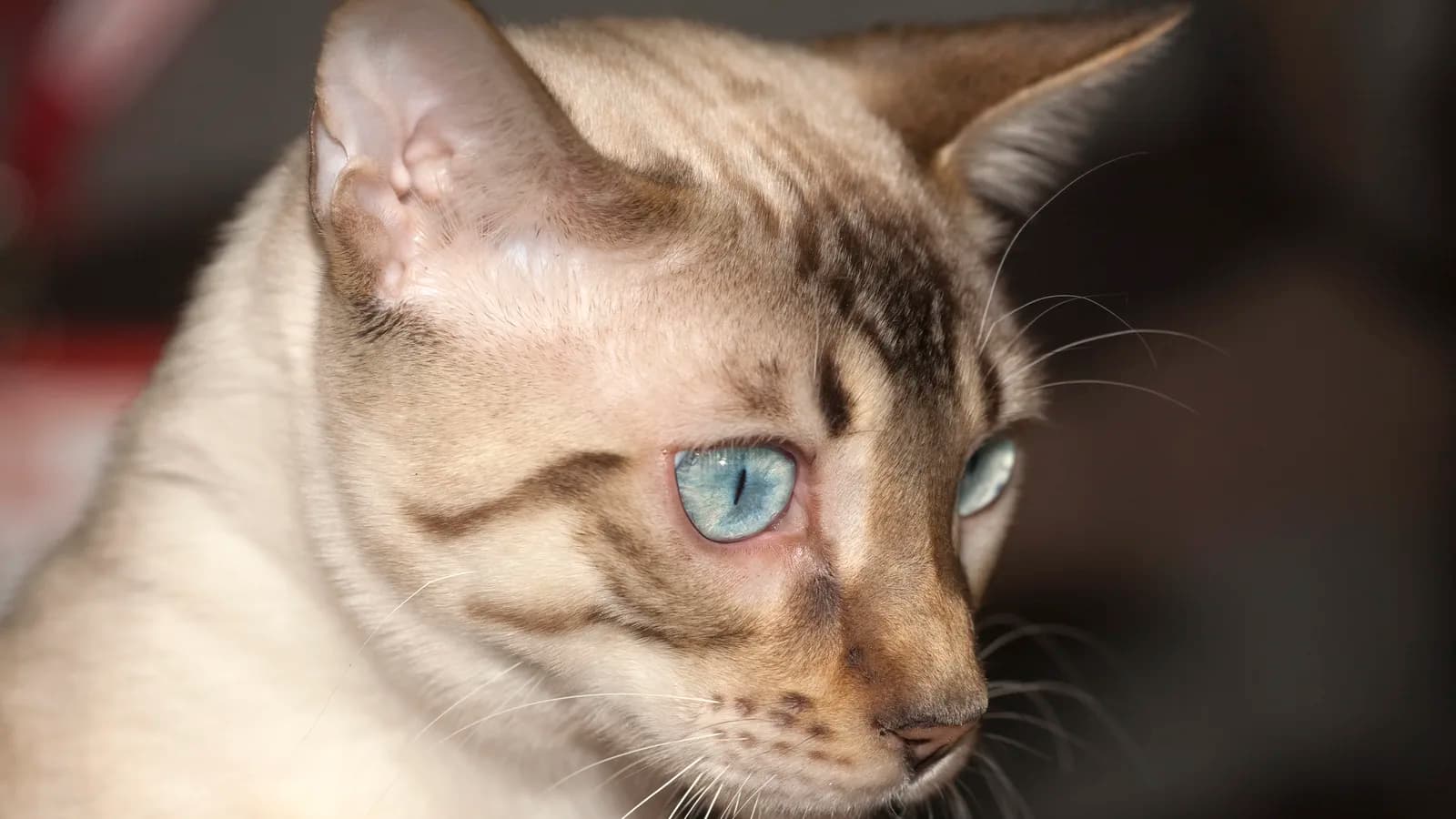
Bengal guide
Snow Bengal Cat: Three Cats Wearing One Name
A snow Bengal is one of three distinct genotypes, and the eye color tells you which: blue for lynx, aqua for mink, gold or green for sepia. The full field guide, from the standards.
Read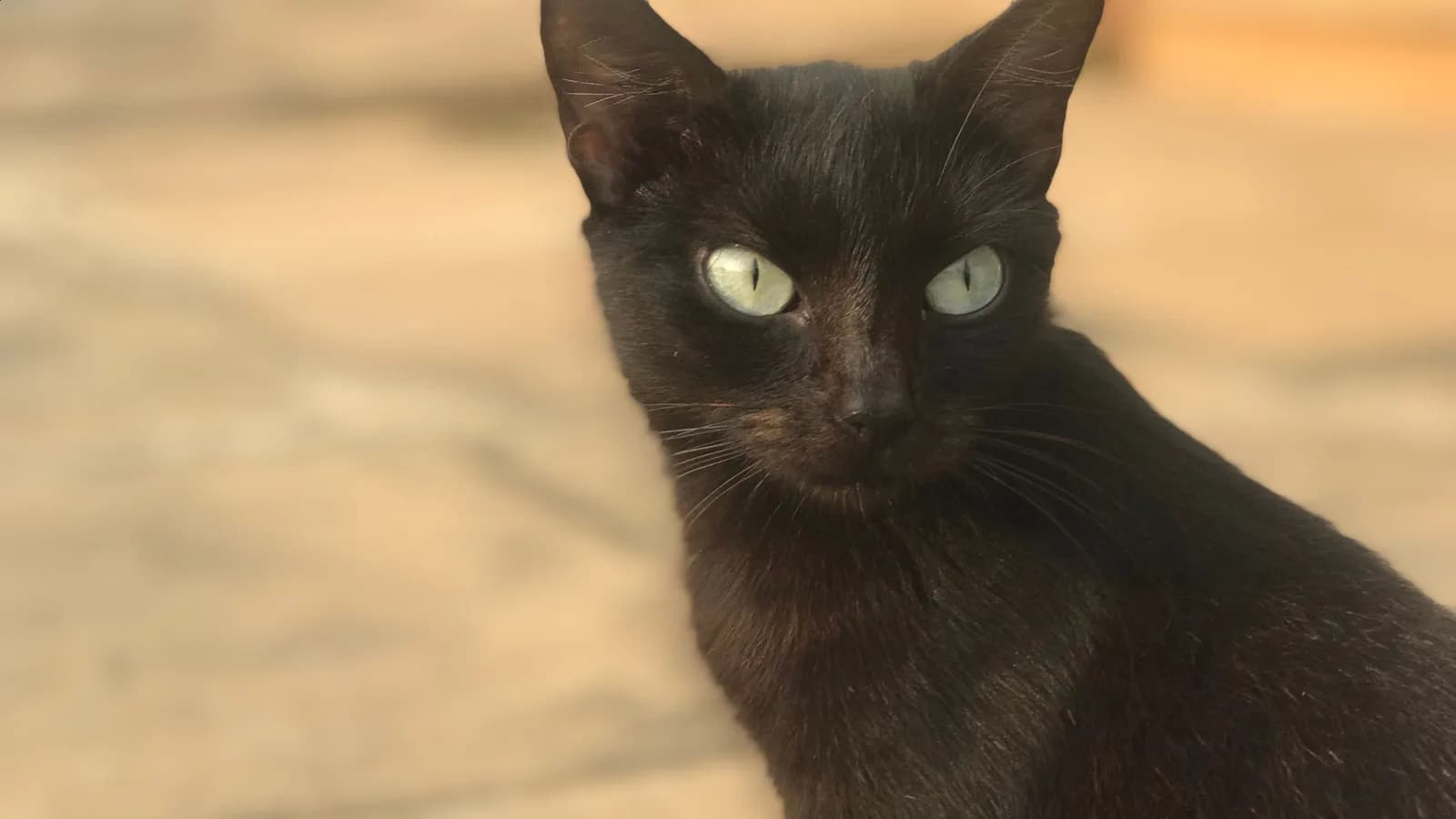
Bengal guide
Black Bengal Cat: What "Melanistic" Actually Buys You
Black Bengals exist, and the registries file the melanistic coat as their odd one out: never showable, always registrable. Ghost markings, genetics and honest prices.
Read
Bengal guide
Bengal Cat Size: A Medium Cat Wearing a Big Cat's Coat
The largest measured sample puts a typical Bengal at 4 kg, the average pet cat's weight. Why the breed looks bigger, what the registries say, and when full size arrives.
Read
Bengal guide
Bengal Cat Breeders: What "Registered" Buys You, Market by Market
What "registered" means for a Bengal in each market, the three tests every registry names, TICA's and CFA's own scam checklists, and the questions that sort breeders fast.
Read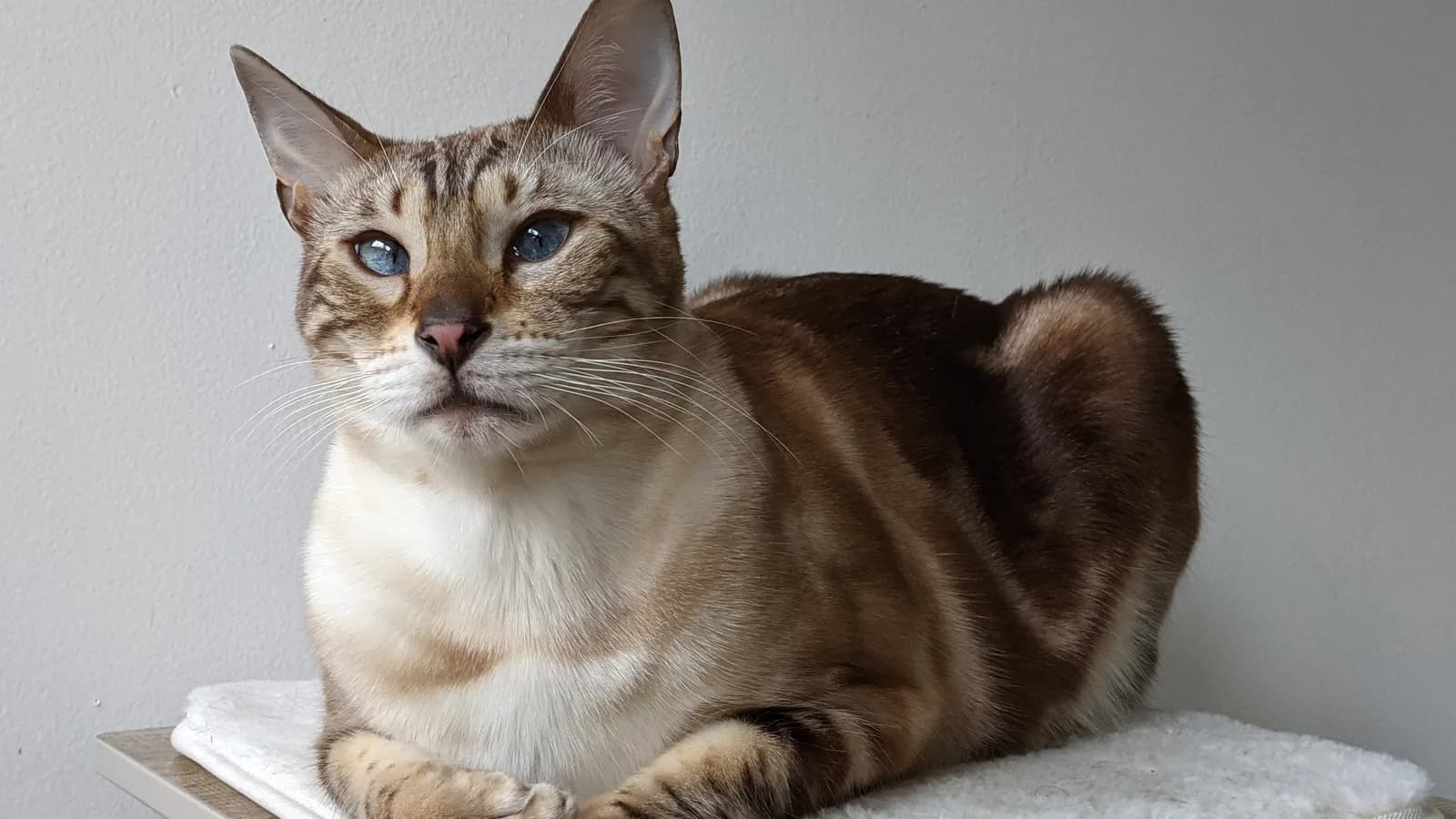
Bengal guide
Marble Bengal Cat: Swirls Where the Spots Should Be
The marble Bengal wears flowing swirls instead of rosettes, and the standards judge it by one rule: the less it looks like an ordinary tabby, the better. Genetics and prices included.
Read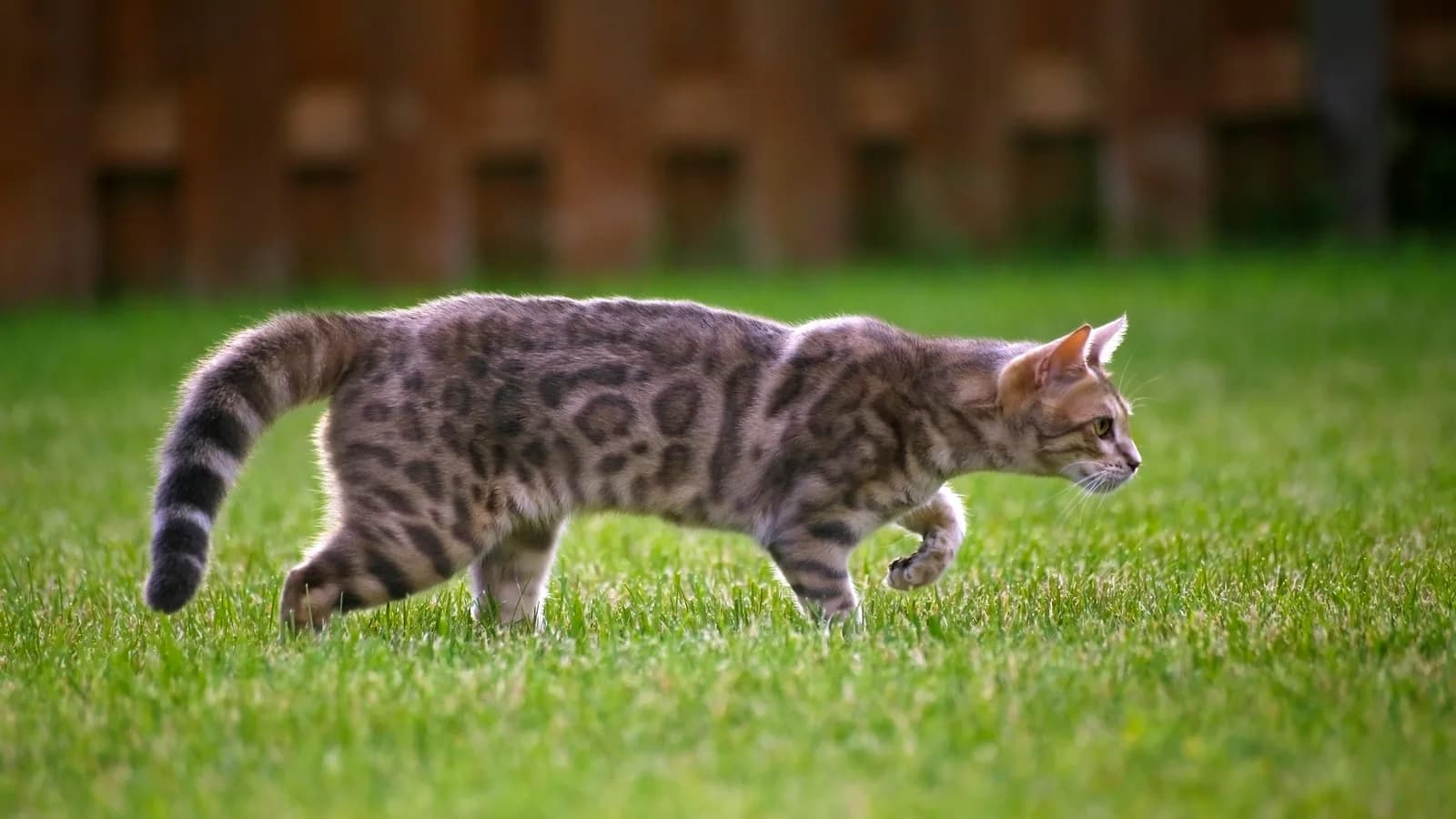
Bengal guide
Blue Bengal Cat: Leopard Print in Steel Grey
The blue Bengal's steel-grey coat comes from one ancient dilution mutation. Where each registry stands on it in 2026, from preliminary UK status to full Canadian recognition.
Read
Bengal guide
Bengal Cat Colors: One Palette, Five Registries, Real Differences
Every Bengal color and pattern, registry by registry: brown, snow, silver, charcoal, blue and melanistic, and why the same coat can be a champion in one country and unlisted in another.
Read
Bengal guide
Charcoal Bengal Cat: The Color With Its Own Published Genotype
The charcoal Bengal's dark mask and cape come from a documented pairing of one leopard cat gene and one domestic gene, and the registries disagree about what to do with it.
Read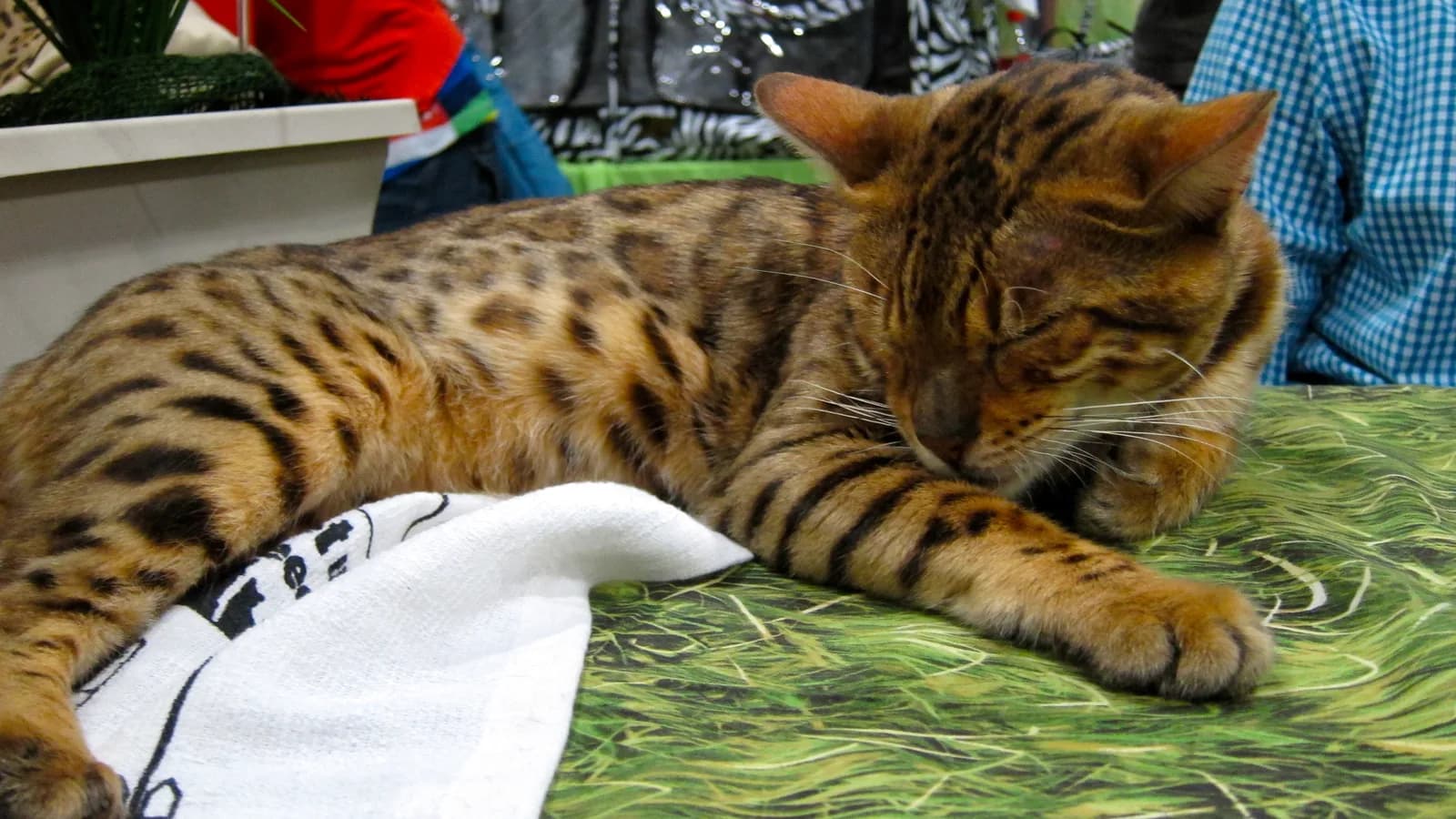
Bengal guide
Bengal Cat Lifespan: What Was Measured, and What Gets Repeated
Two UK studies measured Bengal life expectancy at 8.5 and 7.3 years; every registry prints 12 to 16 with no study behind it. Both sets of numbers, with their samples and caveats.
Read
Bengal guide
Why Are Bengal Cats Illegal in Some Places? Because the Tests Differ
No US federal ban exists, Hawaii bans the cross outright, New York City's code has no exemption its own state grants, and Australia closed imports in 2025. Jurisdiction by jurisdiction.
Read
Bengal guide
F1 to F5 Bengal Cats: The Ladder, From the Registries' Own Rules
F1, F2, SBT: the Bengal's generation ladder decides what a registry will show, what the law allows, and what the AAFP admits nobody has studied. The registry-sourced explainer.
Read
Bengal guide
Do Bengal Cats Shed? Yes, Lightly, on One Weekly Brush
Bengals shed less than most shorthairs, per the registries' own words, but they do shed. The weekly routine four sources agree on, the spring molt, and the coat facts sellers get wrong.
Read
Bengal guide
Bengal Cat Mix: Reading the Cat in Front of You
The registry checklist for spotting Bengal ancestry, why "Bengal mix" is not a registered category anywhere, and the honest limits DNA-test makers state about their own results.
Read
Bengal guide
Bengal Cat Names: Steal From the Breed's Own Story
Names from the Bengal's own story: the founding Millwood cats, the record holders, the leopard cat's Latin name, and editorial picks for spotted, snow and charcoal coats.
Read
Bengal guide
Bengal Cat History: Two Programs, One Breed, Thirty Years of Paperwork
The Bengal began as a 1963 backyard cross and a leukemia-research program, spent years named Leopardette, and took 30 years to win over every registry. The dated, cited story.
Read
The floor belongs to our members. Keep it kind, links are not allowed, and images go through moderation before anyone else sees them.