

Nebelung: The Long Story Behind the Long Coat
Its founding cats were not Russian Blues, its first standard caused a breeder revolt, and its own registry calls the obvious description incorrect. The Nebelung, documented.

Published August 21, 2026 3 min read
Contents
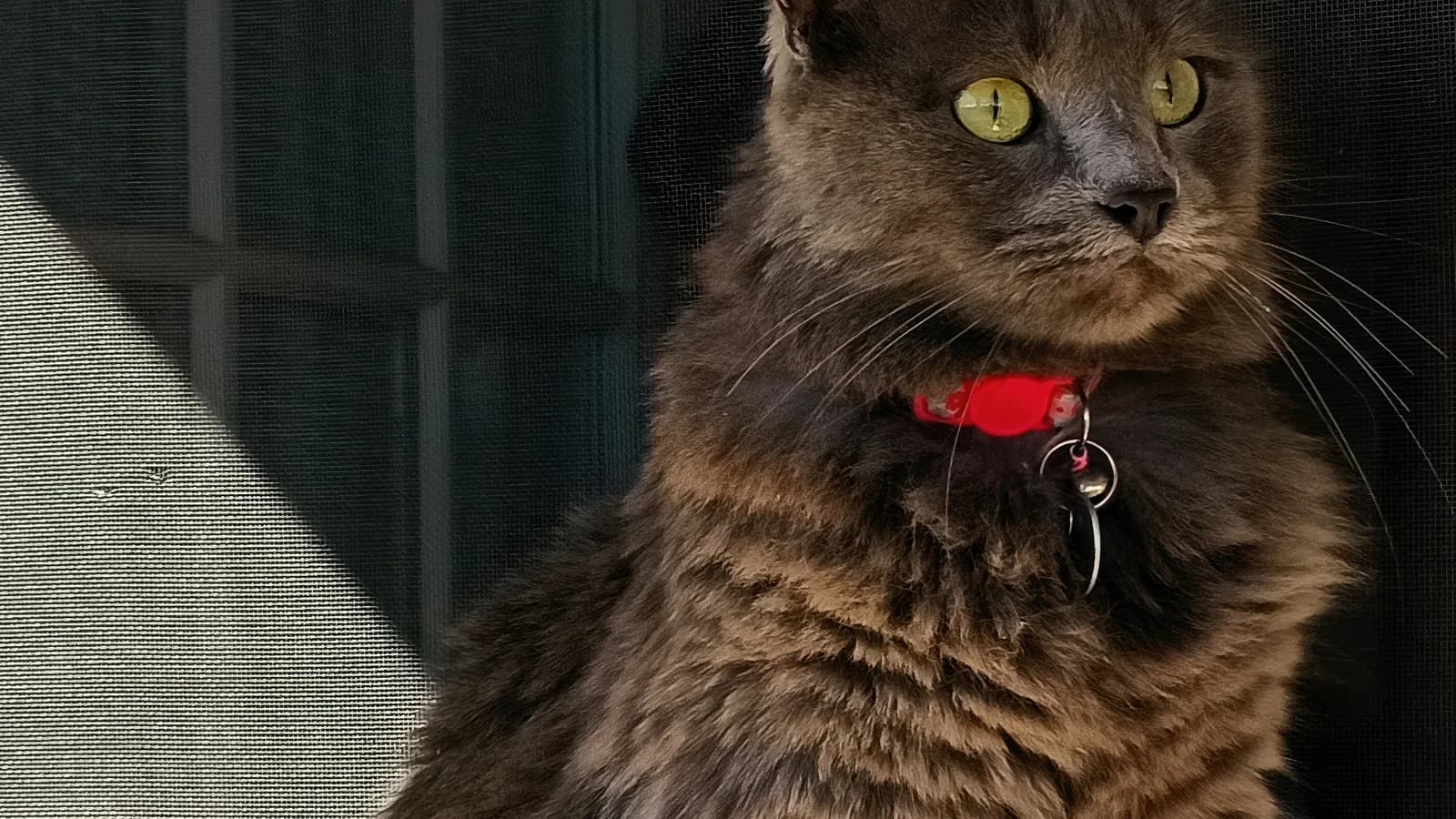
Every shorthand you have read about this breed is slightly wrong, starting with the obvious one. , one of the Nebelung's own registries, states in its own words that calling it "a semi-longhaired Russian Blue" is INCORRECT. It is "a completely separate breed" that "bears a close physical resemblance." Here is the documented story that earns that correction.
The founding cats were not Russian Blues
The breed began at Cora Cobb's Nebelheim cattery: Siegfried (born 1984) and Brunhilde (born 1985), from a black domestic shorthair mother and a longhaired father. NEITHER parent was a Russian Blue. granted New Breed status in 1987 and Championship in 1997. The Russian Blue enters the story afterwards: as the breed the Nebelung was built to resemble, and whose bloodlines its rules would later admit.
The standard that caused a revolt
's own account preserves a piece of breed politics 's telling skips. The first Nebelung standard was written as a near-copy of the Russian Blue's own standard. Russian Blue breeders within TICA objected, forcing a rewrite before the current standard existed. The breeds' paperwork has been carefully separated ever since. That makes the "just a fluffy Russian Blue" shorthand doubly wrong: the Russian Blue's own community fought to make it wrong.
The one-way bloodline rule
Today's formal relationship is precise and directional. 's Nebelung standard states "PERMISSIBLE OUTCROSSES: Russian Blue," and 's -sourced text adds the crucial arrow: gene flow runs from Russian Blue INTO Nebelung programs only, never back. Any shorthaired kitten born in a Nebelung litter must be desexed unless kept for Nebelung breeding, specifically so it cannot re-enter a Russian Blue program. Related by rule, in one direction, with a lock on the return door.
What genuinely differs, and where you can get one
Coat length is the deliberate difference: a soft, two-layered semi-long blue coat against the Russian's short double plush. Eye color is measurably more lenient for the Nebelung, and the Russian Blue's required silver tipping is explicitly optional here. Recognition is the practical asymmetry buyers hit. , and recognize the breed. Canada's and carry no Nebelung category at all (an absence our research confirmed and no source explains), so a Canadian buyer will be looking at TICA paperwork or imports. No four-market price research exists for the Nebelung yet, and we publish that gap rather than a guessed figure.
The whole relationship on one card
- Zero Russian Blues among the founding cats: Siegfried (1984) and Brunhilde (1985) were a black domestic shorthair's kittens
- One direction only: Russian Blue bloodlines may enter Nebelung programs, never the reverse, with mandatory enforcing it
- Three of five registries recognize the breed (, , ); Canada's and have no category at all
- 's own words: calling it a semi-longhaired Russian Blue is incorrect
 The vet's take

Veterinary review
Are you a vet?
Your professional read belongs here: every verified practitioner can leave a note, published once our editors have reviewed it.
Sign in and get your license number verified. We check it in the public register, we never ask for or keep a copy of your diploma, and your number is never published.
Frequently asked questions
Is a Nebelung just a long-haired Russian Blue?
No, and that is GCCF's own word: the description is "incorrect." It is a separate breed that closely resembles the Russian Blue, founded from cats that were not Russian Blues at all.
Are Nebelungs related to Russian Blues?
By rule, one way: Russian Blue is the Nebelung's only permissible outcross, and gene flow runs into Nebelung programs only, with mandatory desexing stopping the reverse.
How rare are Nebelung cats?
Rare enough that recognition itself is patchy: TICA, GCCF and ACF register the breed; Canada's CCA-AFC and ANCATS have no category for it at all.
How much does a Nebelung cost?
Honestly: no reliable four-market price research exists yet, ours included. Expect waitlists given the small number of catteries, and apply the same registered-breeder checklist as for the Russian Blue.
 Community questions
Got a question this page doesn't cover? Ask it: the best ones get published here with their answer.
This is information, not veterinary advice, and it cannot tell you what is wrong with your cat. Our rule is a simple one: if something is wrong with your cat, call your vet, and call an emergency clinic if it is out of hours. Nothing you read here is a reason to wait.
Medical information applies to every reader. Prices, legal duties and common practice do not: unless stated otherwise, they are given for the United States, and they differ in the UK, Canada and Australia, and often between states or provinces. Check with your own vet and your own local authority.
Our sources

Worth keeping a paw on
Pin this guide
So you can find it the day you need it, and share it with someone whose cat does the same thing. One click and it sits in your board.
Pin it on Pinterest
 Purr or Pass
The cat newsletter
Our verified guides, no spam. Unsubscribe in one click.
More Russian Blue guides
The Russian Blue profile →
Russian Blue guide
Russian Blue Price: What the Named Sellers Publish
US catteries run flat $2,500-4,000 with an itemised $4,700 ceiling, UK registered listings sit £900-1,750, and two named catteries decline to price at all. Read August 2026.
Read
Russian Blue guide
Are Russian Blue Cats Hypoallergenic? The People Who Breed Them Say No
The Russian Blue's own UK breeders' club denies the claim outright, zero studies measure the breed's allergen, and the famous mechanism story has no source. The honest file.
Read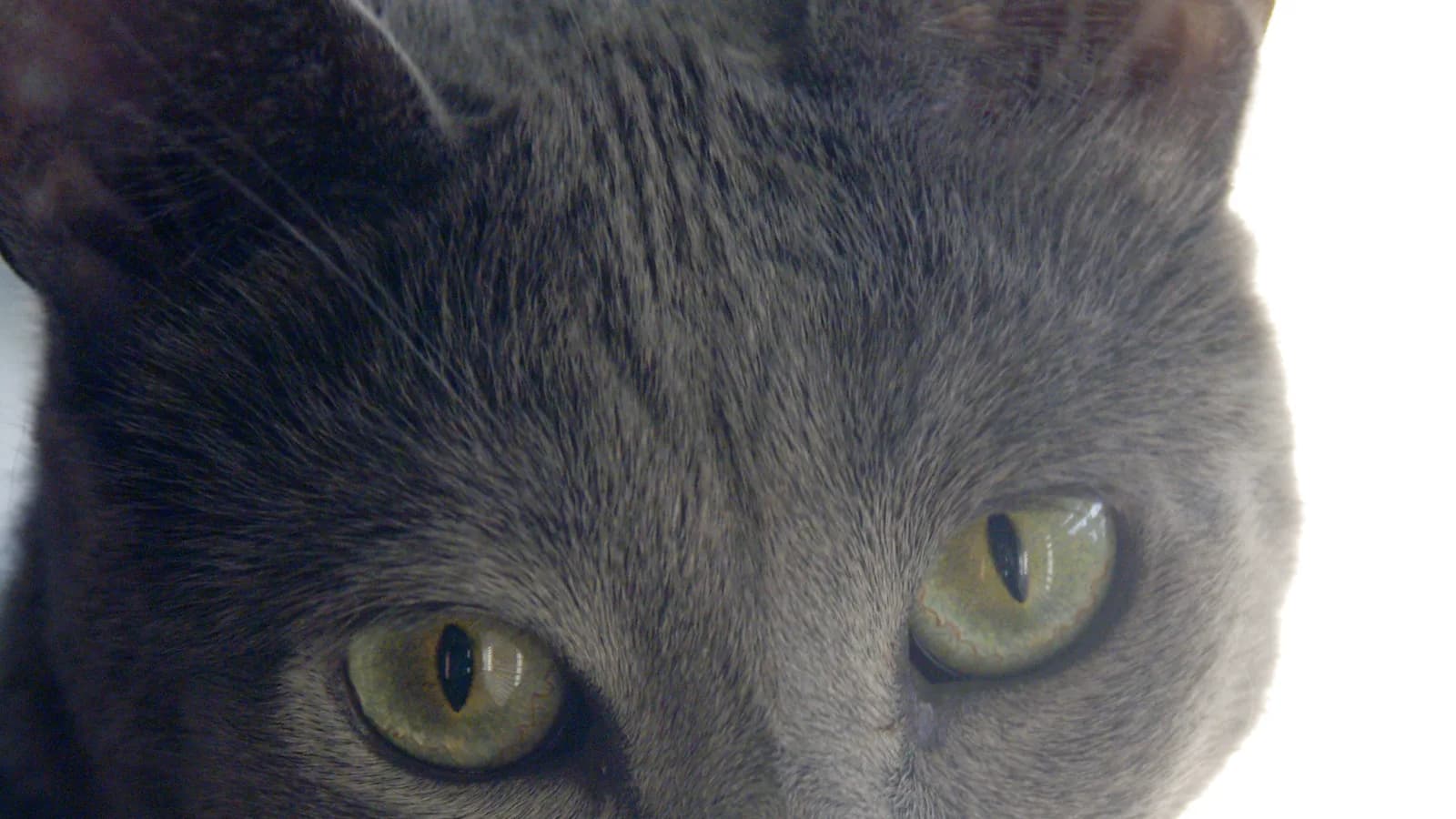
Russian Blue guide
Russian Blue Mix: The Paperwork Says Probably Not
The Russian Blue is genetically closed at four of five registries, so real mixes are rarer than the internet thinks. The honest identification cues, and the one truly related breed.
Read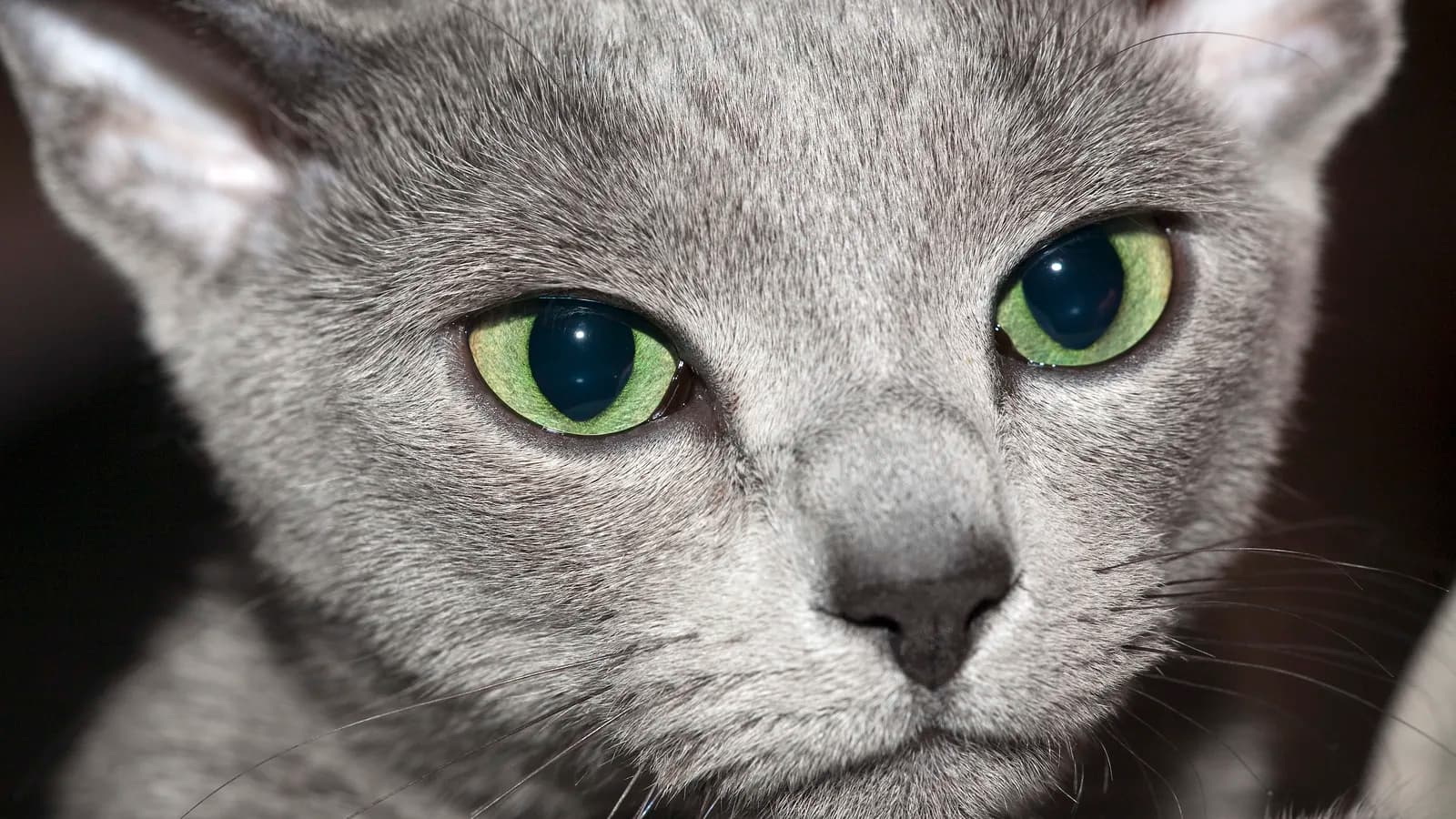
Russian Blue guide
Russian Blue Colors: One Color, Unless Your Registry Says Three
Blue only in America and Canada; Russian Black and Russian White at full championship in Britain since 2013 and in Australia. Who recognizes what, named registry by registry.
Read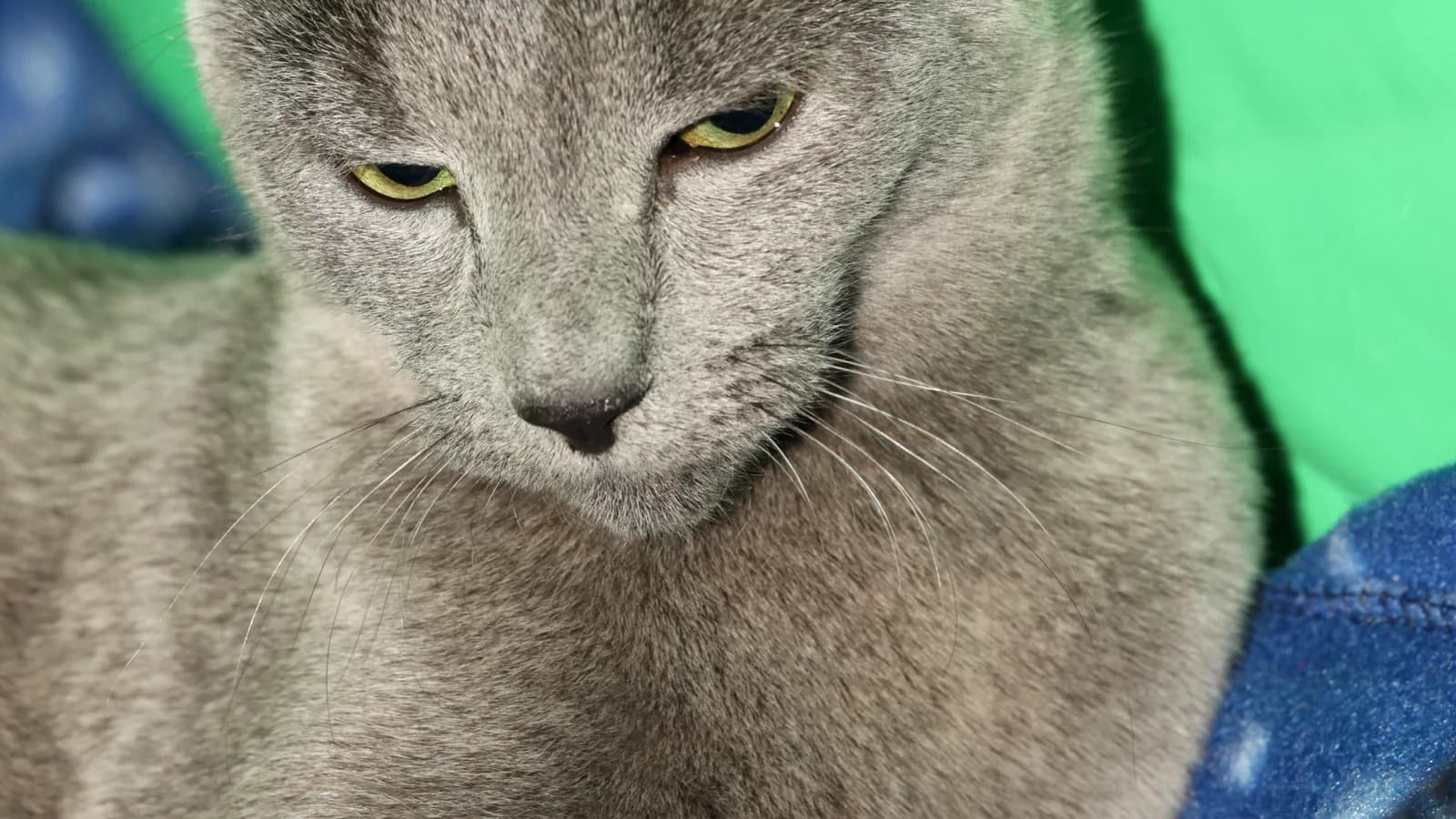
Russian Blue guide
Russian Blue vs the Other Grey Cats: The Registries' Own Tells
Four grey cats the internet confuses, separated by the registries' own words: coat structure, eye color rules, and one pair of standards that disqualify each other's eyes.
Read
The floor belongs to our members. Keep it kind, links are not allowed, and images go through moderation before anyone else sees them.