

Russian Blue Mix: The Paperwork Says Probably Not
The Russian Blue is genetically closed at four of five registries, so real mixes are rarer than the internet thinks. The honest identification cues, and the one truly related breed.

Published August 21, 2026 3 min read
Contents
Here is the fact that reframes the whole question. At four of the five registries we track (, , , ), the Russian Blue is a CLOSED breed: no outcrossing to any other breed is permitted at all. Only Britain's allows an outcross, and it is tightly gated: DNA-tested, green-eyed Domestic Shorthairs only, folded back over four generations. Registered Russian Blues therefore breed almost exclusively with each other. That makes deliberate, documented Russian Blue mixes genuinely uncommon. Most "Russian Blue mixes" are grey cats whose ancestry nobody knows, adopted with a hopeful label.
The honest identification cues
Because the breed's standards are among the strictest we have profiled, a careful reader can do real elimination at home. The coat: a true Russian Blue wears a DOUBLE coat that stands away from the body through density, in every registry's own words, with silver tipping over the blue. A flat, close-lying grey coat argues against.
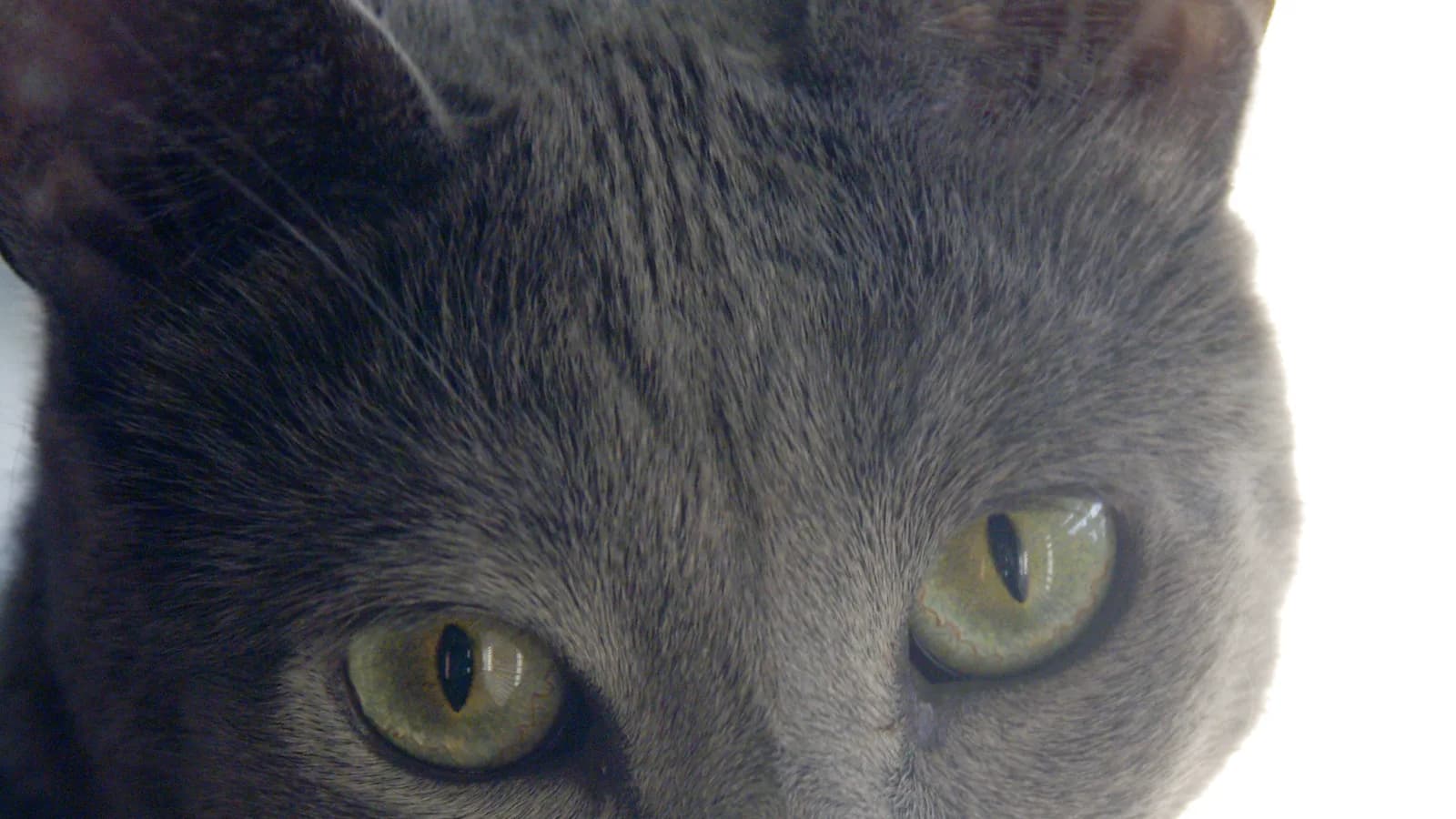
The eyes: vivid green in adults, required absolutely ("no green in eyes: full penalty" is the standard's register), with two registries independently stating the green ring should be showing by about four months. Copper, gold or yellow adult eyes argue strongly against. The build: fine-boned and elegant, never cobby. A stocky grey cat with orange eyes is telling you it has British Shorthair somewhere, not Russian (the comparisons page walks all four grey look-alikes).
The nuance the purists skip
The breed's own documented history includes a rebuild. After WWII, with the gene pool devastated, breeders openly used British Shorthair and Siamese crosses to reconstruct the type, a fact three registries' own history texts confirm. So today's "pure" Russian Blue carries documented mixed ancestry several generations back, like most formally closed breeds. Closure is a rulebook state, not a claim about ancient purity.
The one genuinely related breed
If your longhaired grey cat looks like a fluffy Russian Blue, the breed you are thinking of exists: the NEBELUNG, the one breed whose rules permit Russian Blue ancestry by name (gene flow runs one way, into the Nebelung). It has its own page, including why "semi-longhaired Russian Blue" is officially the wrong description.
What a DNA test can and cannot say
Consumer DNA panels can estimate breed ancestry, with real error bars, and none of them confers registration: a registry is a paper trail, not a genotype. If the question is "will my shelter cat behave like a Russian Blue," the honest answer is that a grey coat predicts nothing. Love the cat you met.
The elimination checklist
- Double coat standing away from the body through density, with silver tipping: every registry's own words
- Vivid GREEN adult eyes, required absolutely; the ring shows by about four months ( and agree)
- Fine-boned, elegant build: never cobby, never husky
- Closed breed at four of five registries: documented mixes are rarer than the label suggests
- Long-haired and grey? You are thinking of the Nebelung, the one formally related breed
 The vet's take

Veterinary review
Are you a vet?
Your professional read belongs here: every verified practitioner can leave a note, published once our editors have reviewed it.
Sign in and get your license number verified. We check it in the public register, we never ask for or keep a copy of your diploma, and your number is never published.
Frequently asked questions
How can I tell if my cat is a Russian Blue mix?
Work the elimination cues: double stand-away coat with silver tipping, vivid green adult eyes (showing by about four months), fine-boned build. Missing several of those means an ordinary grey domestic shorthair, which is most grey cats.
Are Russian Blue mixes common?
Less than the label suggests: the breed is closed to outcrossing at four of five registries (Britain's GCCF runs the one tightly gated exception), so documented mixes are scarce. Most "mixes" are unknown-ancestry grey cats.
Is a grey cat with yellow eyes a Russian Blue?
No, by the standard's own absolute rule: adult Russian Blues have green eyes, full stop. Yellow or copper eyes point at British Shorthair-type ancestry.
What breed is a long-haired Russian Blue?
That description usually means a Nebelung, the one formally related breed, though its own registry says "semi-longhaired Russian Blue" is an incorrect description: our Nebelung page carries the real story.
 Community questions
Got a question this page doesn't cover? Ask it: the best ones get published here with their answer.
This is information, not veterinary advice, and it cannot tell you what is wrong with your cat. Our rule is a simple one: if something is wrong with your cat, call your vet, and call an emergency clinic if it is out of hours. Nothing you read here is a reason to wait.
Medical information applies to every reader. Prices, legal duties and common practice do not: unless stated otherwise, they are given for the United States, and they differ in the UK, Canada and Australia, and often between states or provinces. Check with your own vet and your own local authority.
Our sources

Worth keeping a paw on
Pin this guide
So you can find it the day you need it, and share it with someone whose cat does the same thing. One click and it sits in your board.
Pin it on Pinterest
 Purr or Pass
The cat newsletter
Our verified guides, no spam. Unsubscribe in one click.
More Russian Blue guides
The Russian Blue profile →
Russian Blue guide
Nebelung: The Long Story Behind the Long Coat
Its founding cats were not Russian Blues, its first standard caused a breeder revolt, and its own registry calls the obvious description incorrect. The Nebelung, documented.
Read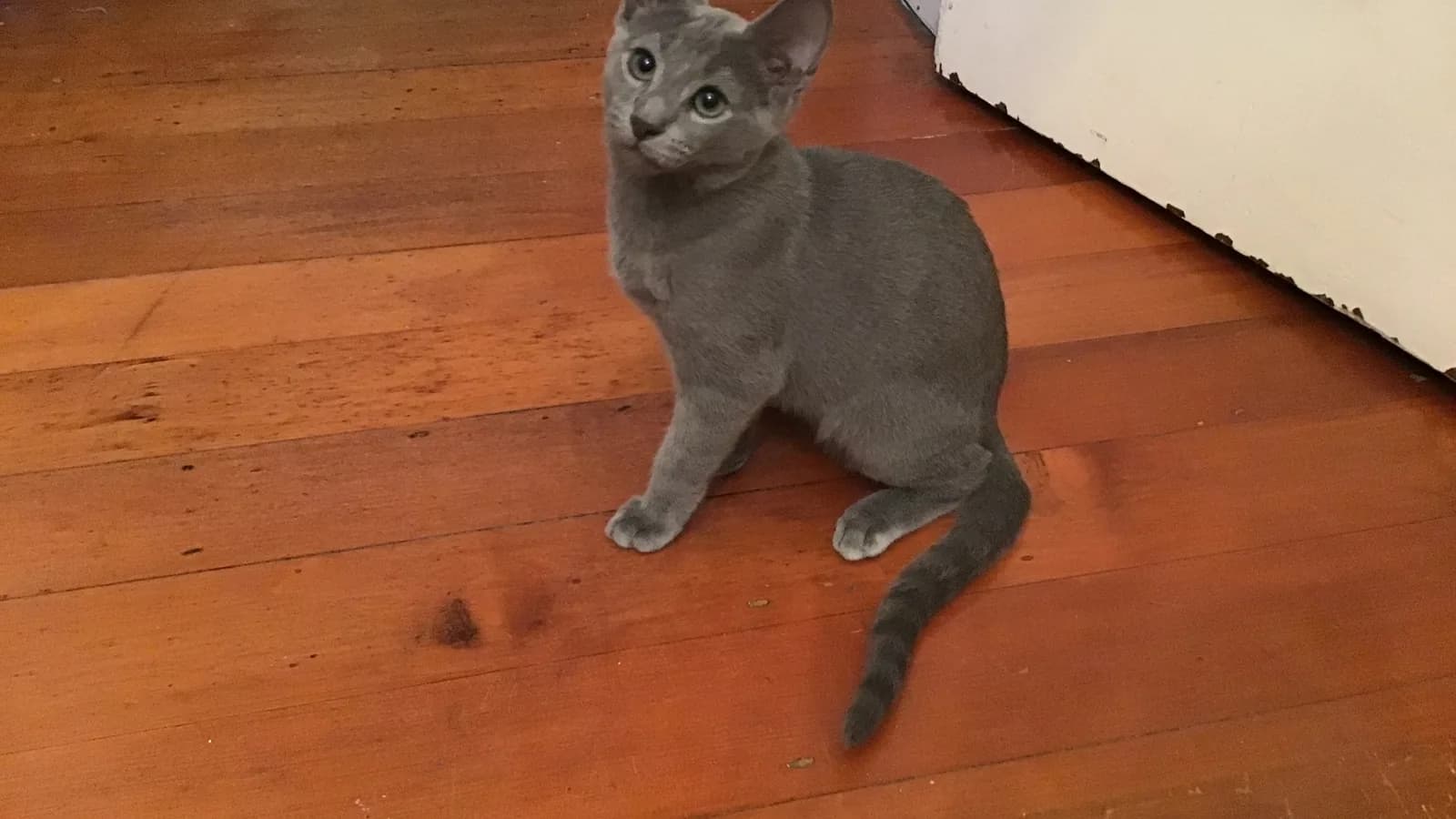
Russian Blue guide
Russian Blue Price: What the Named Sellers Publish
US catteries run flat $2,500-4,000 with an itemised $4,700 ceiling, UK registered listings sit £900-1,750, and two named catteries decline to price at all. Read August 2026.
Read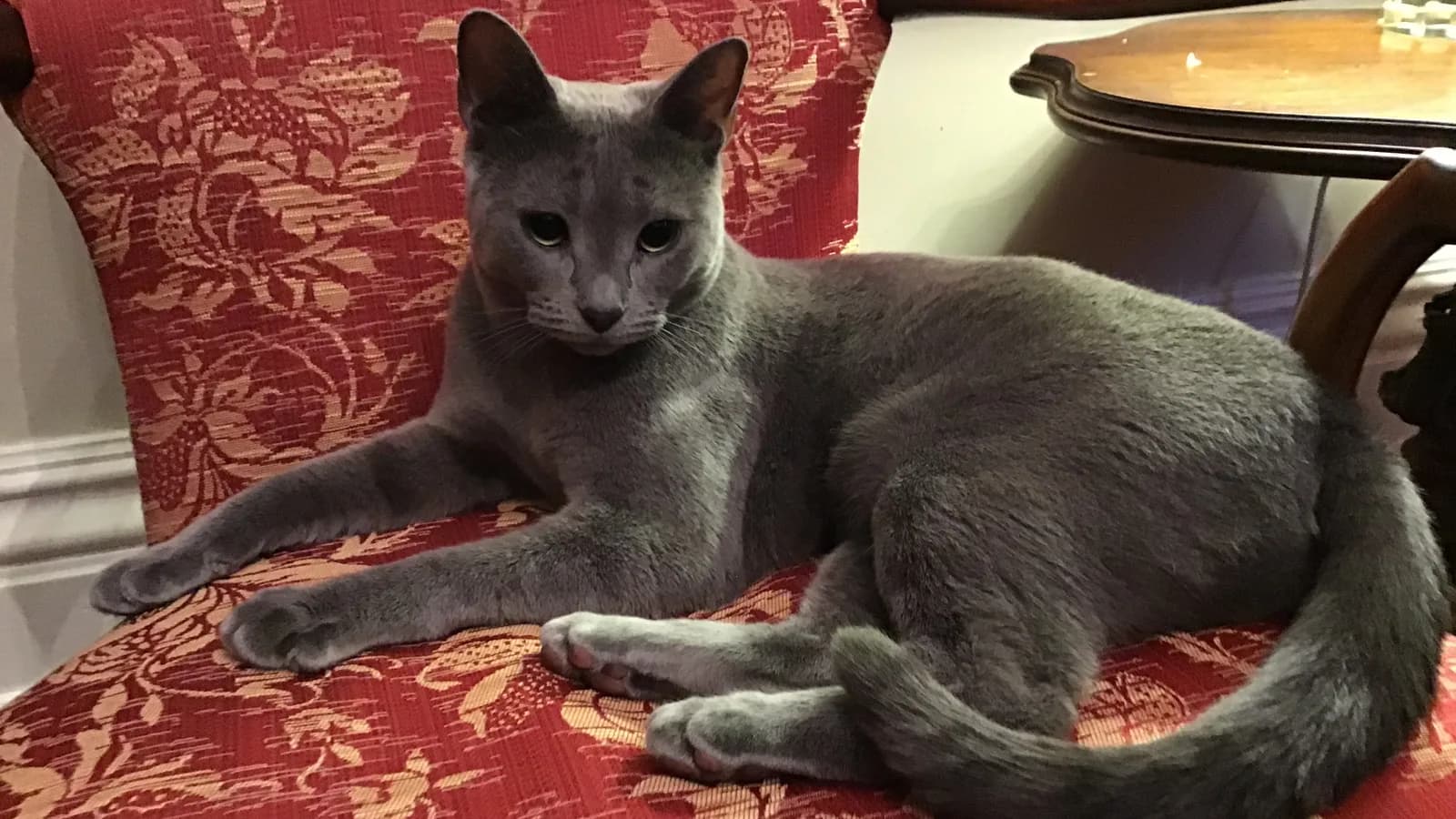
Russian Blue guide
Are Russian Blue Cats Hypoallergenic? The People Who Breed Them Say No
The Russian Blue's own UK breeders' club denies the claim outright, zero studies measure the breed's allergen, and the famous mechanism story has no source. The honest file.
Read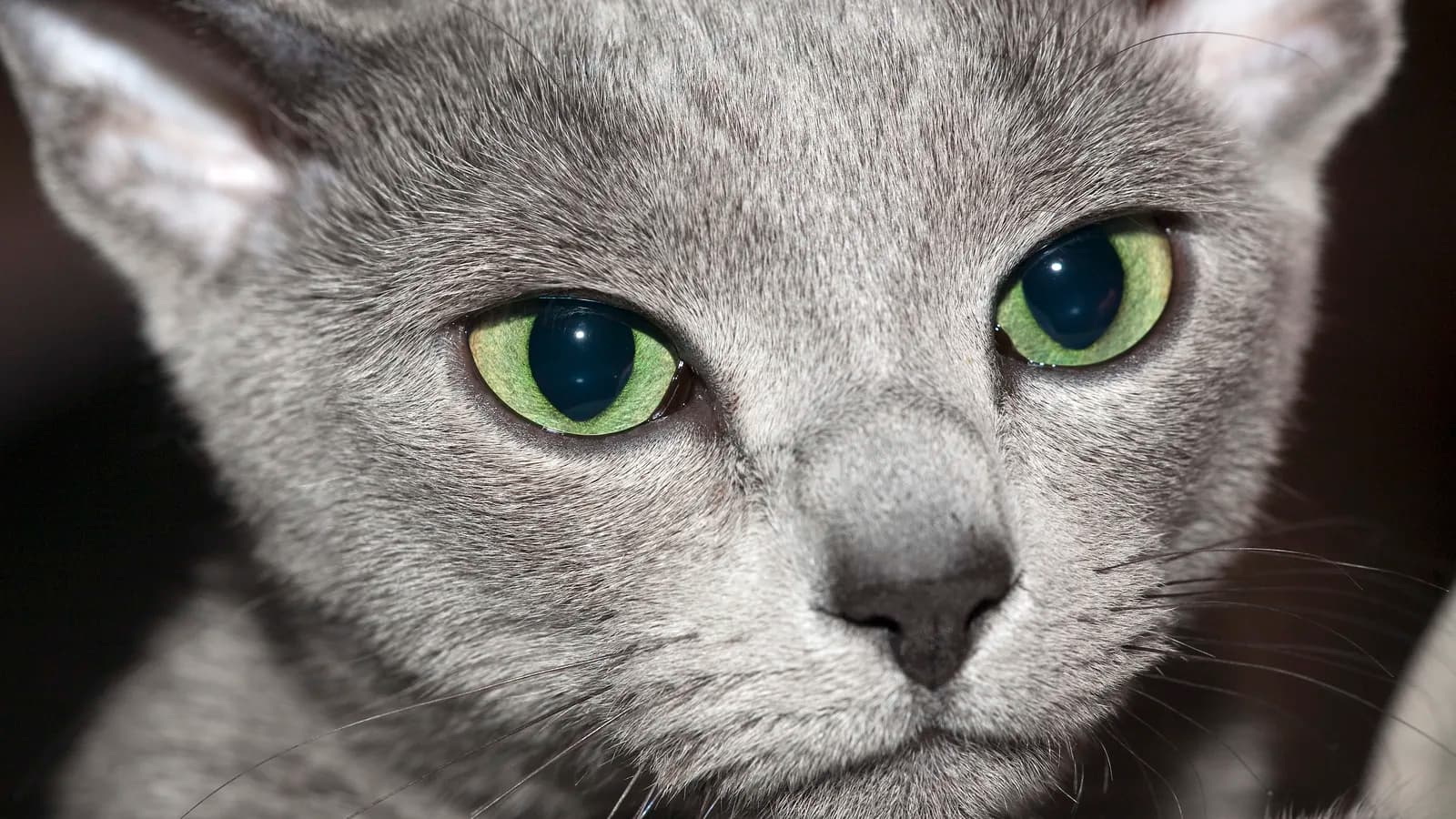
Russian Blue guide
Russian Blue Colors: One Color, Unless Your Registry Says Three
Blue only in America and Canada; Russian Black and Russian White at full championship in Britain since 2013 and in Australia. Who recognizes what, named registry by registry.
Read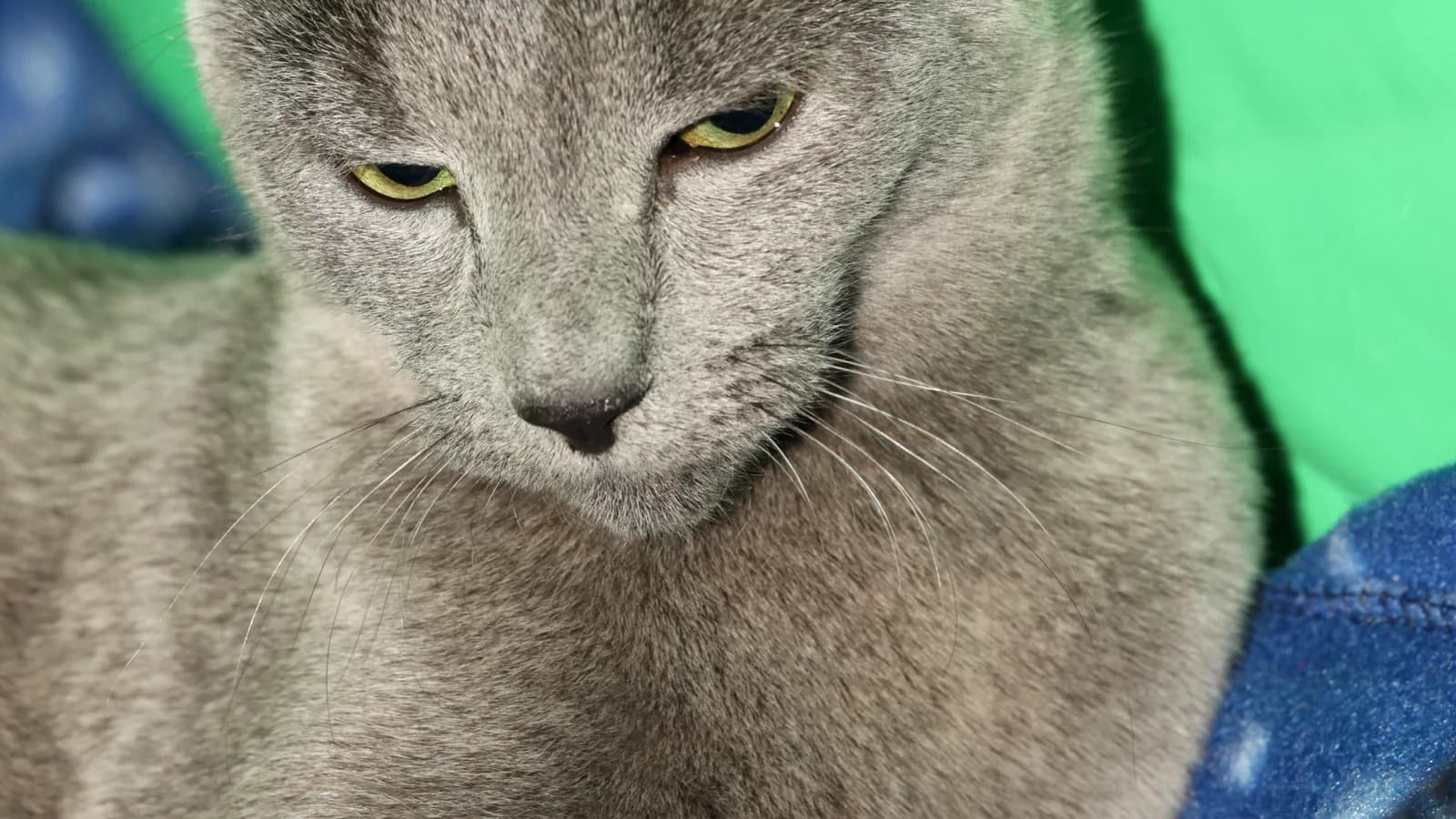
Russian Blue guide
Russian Blue vs the Other Grey Cats: The Registries' Own Tells
Four grey cats the internet confuses, separated by the registries' own words: coat structure, eye color rules, and one pair of standards that disqualify each other's eyes.
Read
The floor belongs to our members. Keep it kind, links are not allowed, and images go through moderation before anyone else sees them.