

Munchkin Cat Colors: The Only Breed Where "All" Means All
TICA's standard says COLORS: All, with no exclusion list, the only breed in our research where that is true. The calico favorite, the longhair axis, and why two registries still say no.
Published August 21, 2026 3 min read
Contents
Every breed color page we have written lists exclusions: chocolate here, lilac there, pointed patterns banned somewhere else. The Munchkin is the exception in our entire research corpus: 's standard states "COLORS: All", with no exclusion list of any kind. Every color, every pattern, every eye color the cat fancy knows can walk into a Munchkin ring. The breed was built from ordinary domestic cats around one leg gene, and its coat genetics stayed as open as the street's.
The calico favorite, and the rest of the deck
The most-searched Munchkin color by far is CALICO, the white-black-orange patchwork, and it needs no special rules here: calico Munchkins are ordinary calicos on short legs, overwhelmingly female for the usual X-chromosome reasons, and carry no registry premium. Behind it come the tabbies, solids, torties, bicolors, pointed coats, silvers and smokes, all equally admitted. One near-exception exists in the whole registry world: Australia's excludes amber, the same single exclusion it applies to other breeds, an ACF house pattern rather than a Munchkin rule.
Shorthair and longhair: a separate axis
Munchkins come in shorthair and longhair varieties under one breed group, and two registries independently confirm the coat LENGTH axis is separate from color: the same full palette applies to both. The longhaired cats carry plumed tails and ; the shorthairs a plush all-weather jacket. (The Persian-coated short-legged cats you see online are usually the Minuet, a recognized Persian x Munchkin cross with its own inheritance: the dwarf breeds page sorts the family.)
The refusals are about legs, never coat
and do not recognize the Munchkin at all, and it is worth saying plainly why, because a color page is where the wrong assumption lands: their refusals concern leg conformation and welfare, never the coat. No registry anywhere objects to any Munchkin color (the legal page carries the recognition-and-welfare map in full). And one general-genetics note scoped honestly: solid white cats with blue eyes carry a deafness association in ALL breeds; it is feline genetics, not a Munchkin finding.
The palette at a glance
 The vet's take
Veterinary review
Are you a vet?
Your professional read belongs here: every verified practitioner can leave a note, published once our editors have reviewed it.
Sign in and get your license number verified. We check it in the public register, we never ask for or keep a copy of your diploma, and your number is never published.
Frequently asked questions
What colors do Munchkin cats come in?
All of them: TICA's standard says "COLORS: All" with no exclusion list, unique among the breeds we have researched. Only Australia's ACF excludes one color (amber), its own house pattern.
Are calico Munchkins rare?
No rarer than calico generally: almost all are female (standard X-chromosome genetics) and no source in our research prices them above other colors.
Do Munchkins come in longhair?
Yes: shorthair and longhair varieties share one breed group and the same full palette. A Persian-looking short-legged cat is usually a Minuet, the recognized Persian x Munchkin cross.
Why don't GCCF and CCA-AFC recognize Munchkin colors?
They don't recognize the BREED, and their stated reasons are about leg conformation and welfare, never coat: no registry anywhere excludes a Munchkin color.
 Community questions
Got a question this page doesn't cover? Ask it: the best ones get published here with their answer.
This is information, not veterinary advice, and it cannot tell you what is wrong with your cat. Our rule is a simple one: if something is wrong with your cat, call your vet, and call an emergency clinic if it is out of hours. Nothing you read here is a reason to wait.
Medical information applies to every reader. Prices, legal duties and common practice do not: unless stated otherwise, they are given for the United States, and they differ in the UK, Canada and Australia, and often between states or provinces. Check with your own vet and your own local authority.
Our sources

Worth keeping a paw on
Pin this guide
So you can find it the day you need it, and share it with someone whose cat does the same thing. One click and it sits in your board.
Pin it on Pinterest
 Purr or Pass
The cat newsletter
Our verified guides, no spam. Unsubscribe in one click.
More Munchkin guides
The Munchkin profile →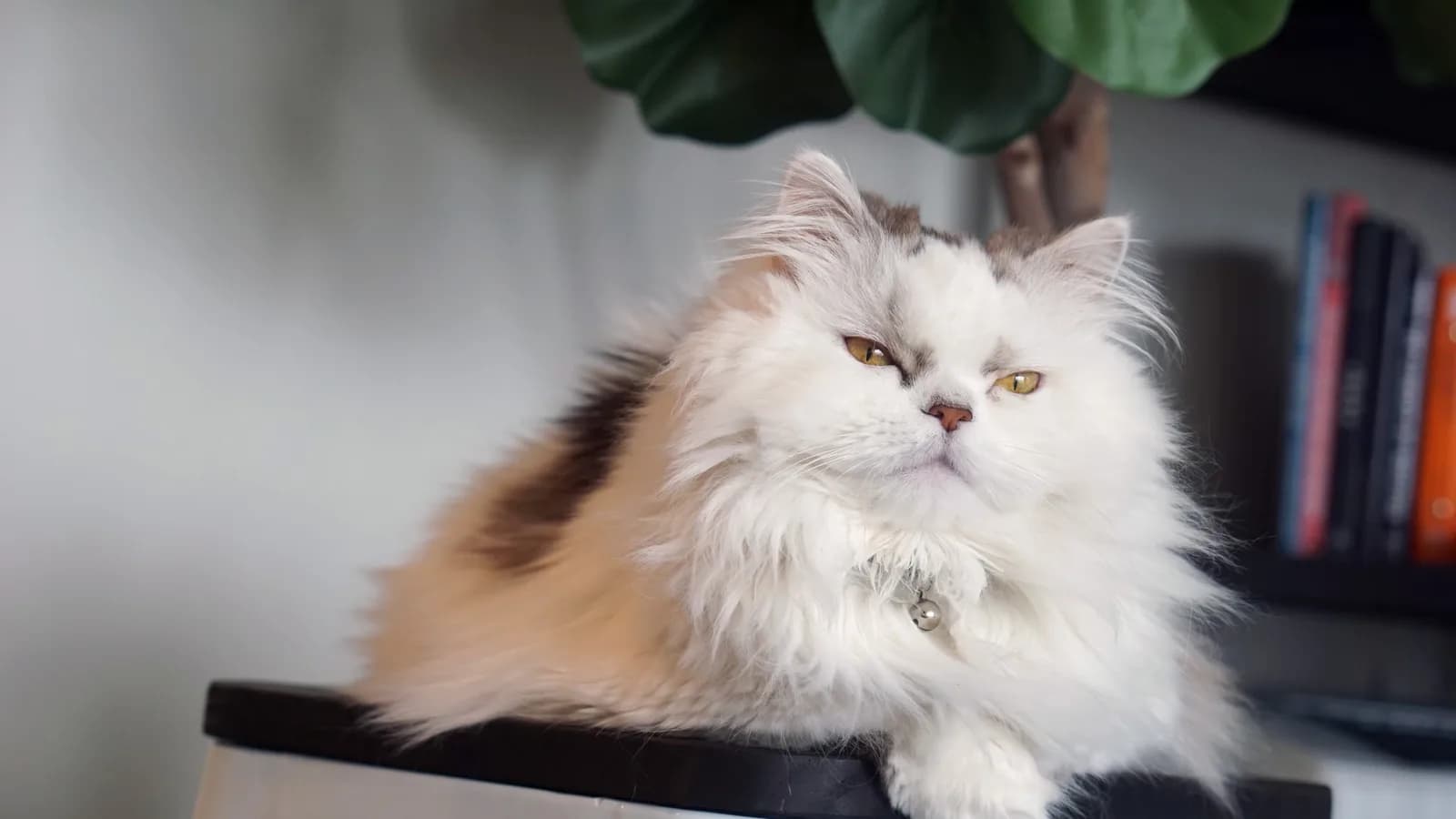
Munchkin guide
Dwarf Cat Breeds: One Gene, Many Names, Two Real Registrations
Munchkin, Minuet, Bambino, Kinkalow, Lambkin, Dwelf: one gene, many names, and only two hold real registry status. We read TICA's own rules to sort them.
Read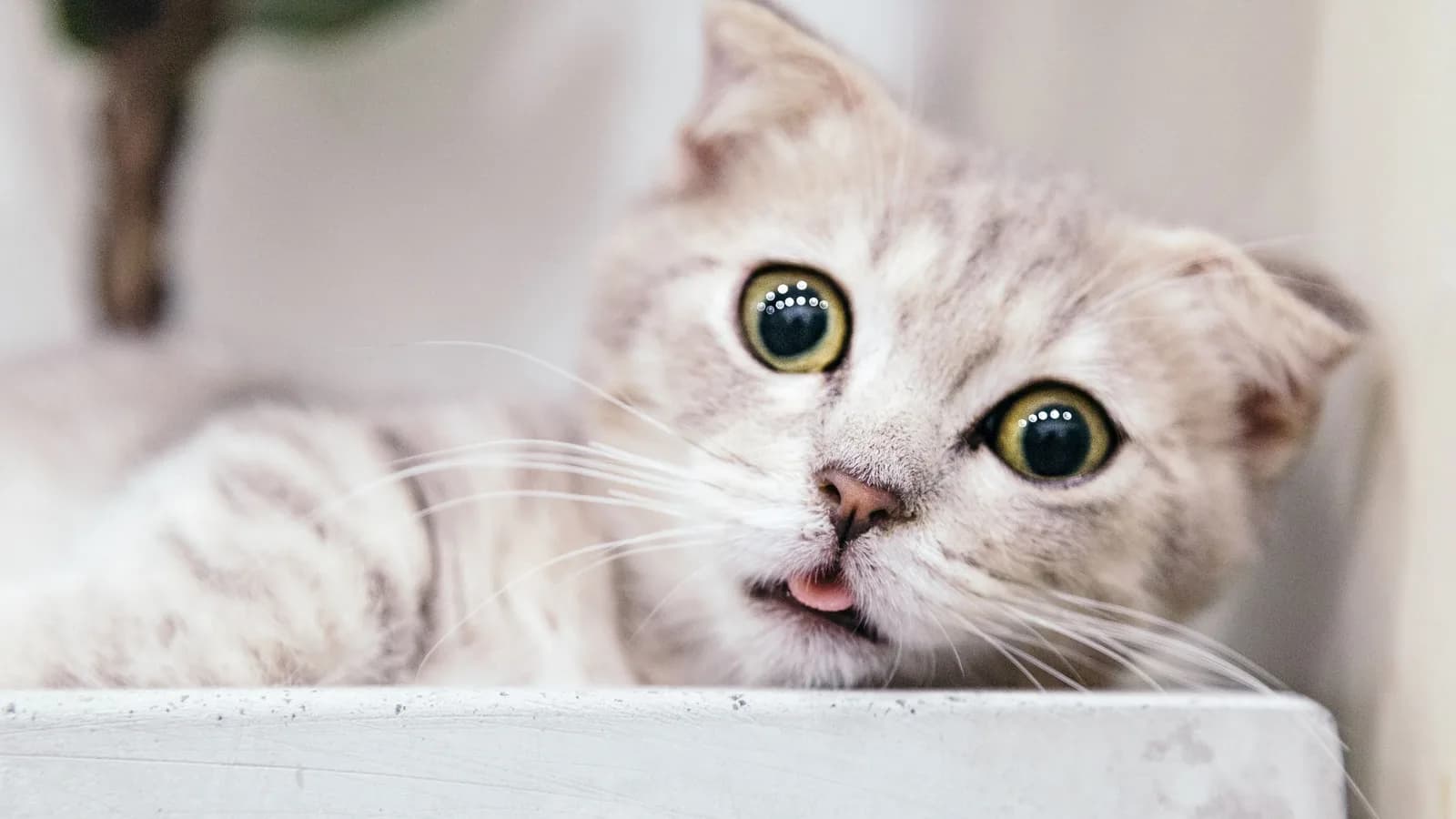
Munchkin guide
Munchkin Kittens for Sale: A Market That Needs Its Warnings First
$900 flat at one named cattery, $3,000+ at another, a marketplace-only picture in the UK and Canada, no reliable Australian price at all, and a search space full of template sites.
Read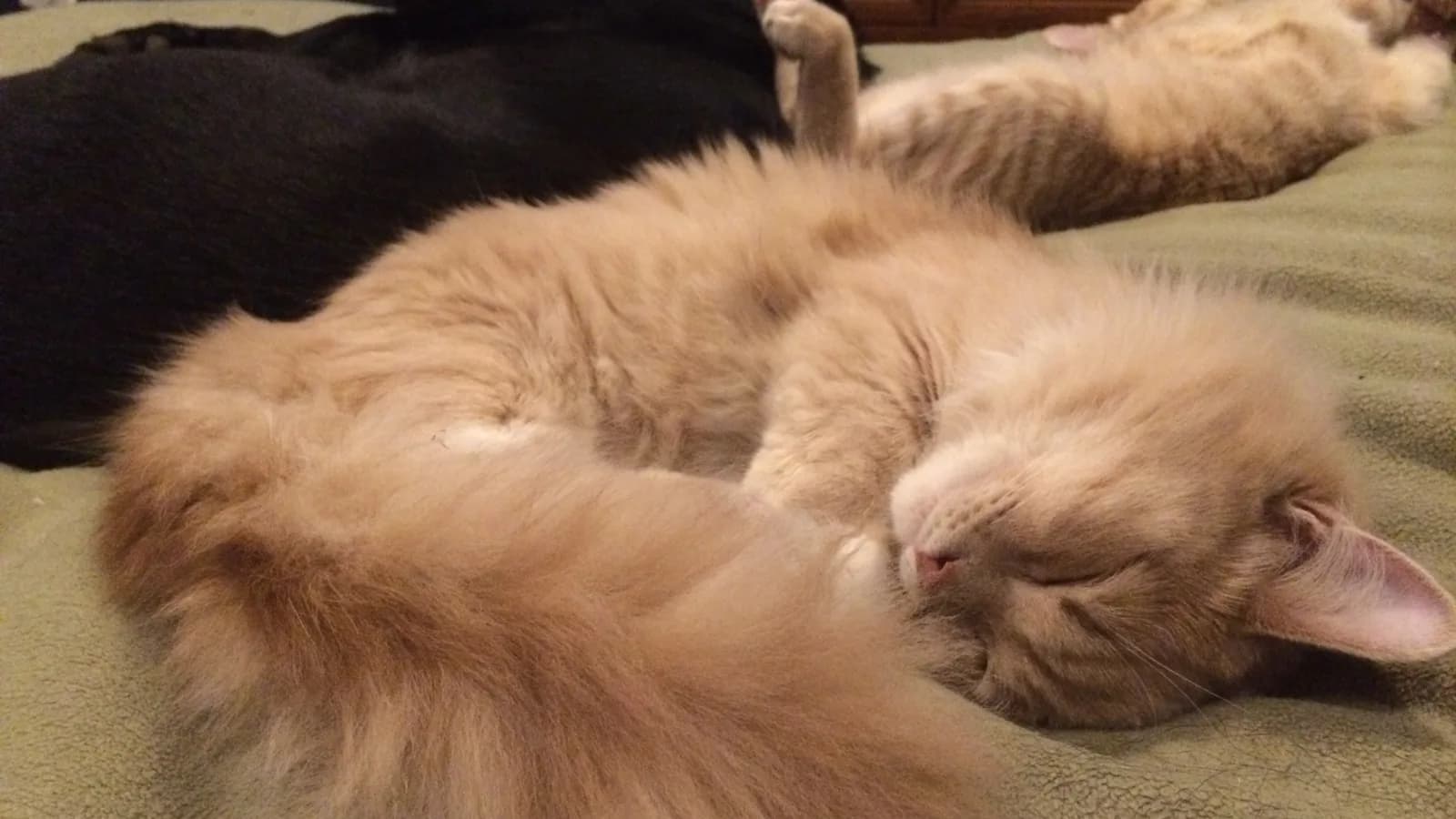
Munchkin guide
Munchkin Cat Lifespan: An Honest Page About an Unmeasured Number
TICA says 15-18+, two pet sites say 12-15, and no mortality study anywhere names the breed. What is actually known, and the one measured fact that is not about adults at all.
Read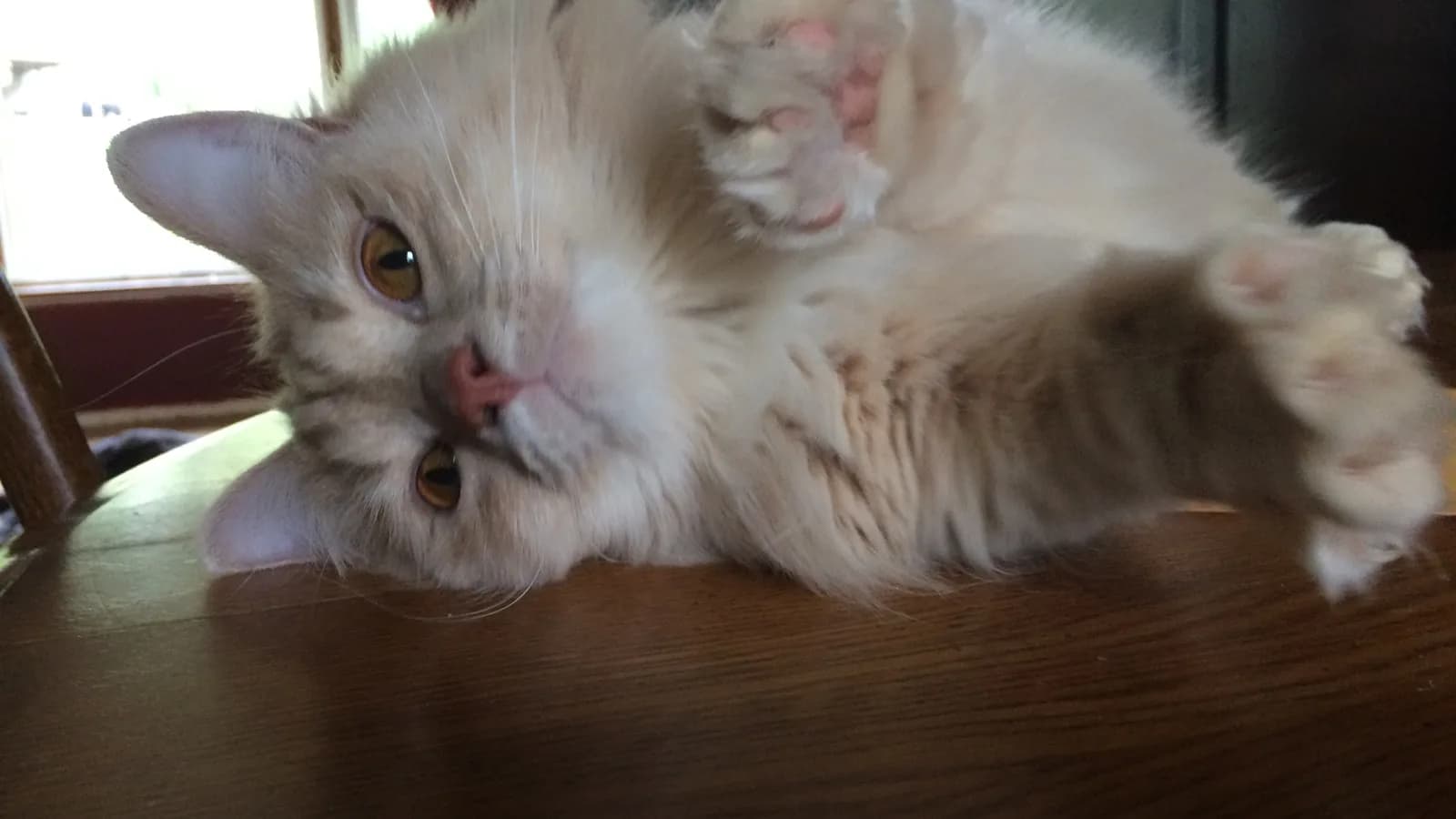
Munchkin guide
Are Munchkin Cats Illegal? Nowhere Flatly, and the Real Map Is Stranger
No flat ban exists in our four markets: a Dutch trait law, a Victorian code naming the breed, two registries refusing it, a UK charity in Parliament.
Read
The floor belongs to our members. Keep it kind, links are not allowed, and images go through moderation before anyone else sees them.