

Golden and Silver British Shorthairs: One Pattern Wearing Two Shades
Golden and silver shaded British Shorthairs are two halves of one registry family, Tipped. The mechanism, the "DNA-verified silver" trap, and what the premium actually costs.

Published August 20, 2026 3 min read
Contents
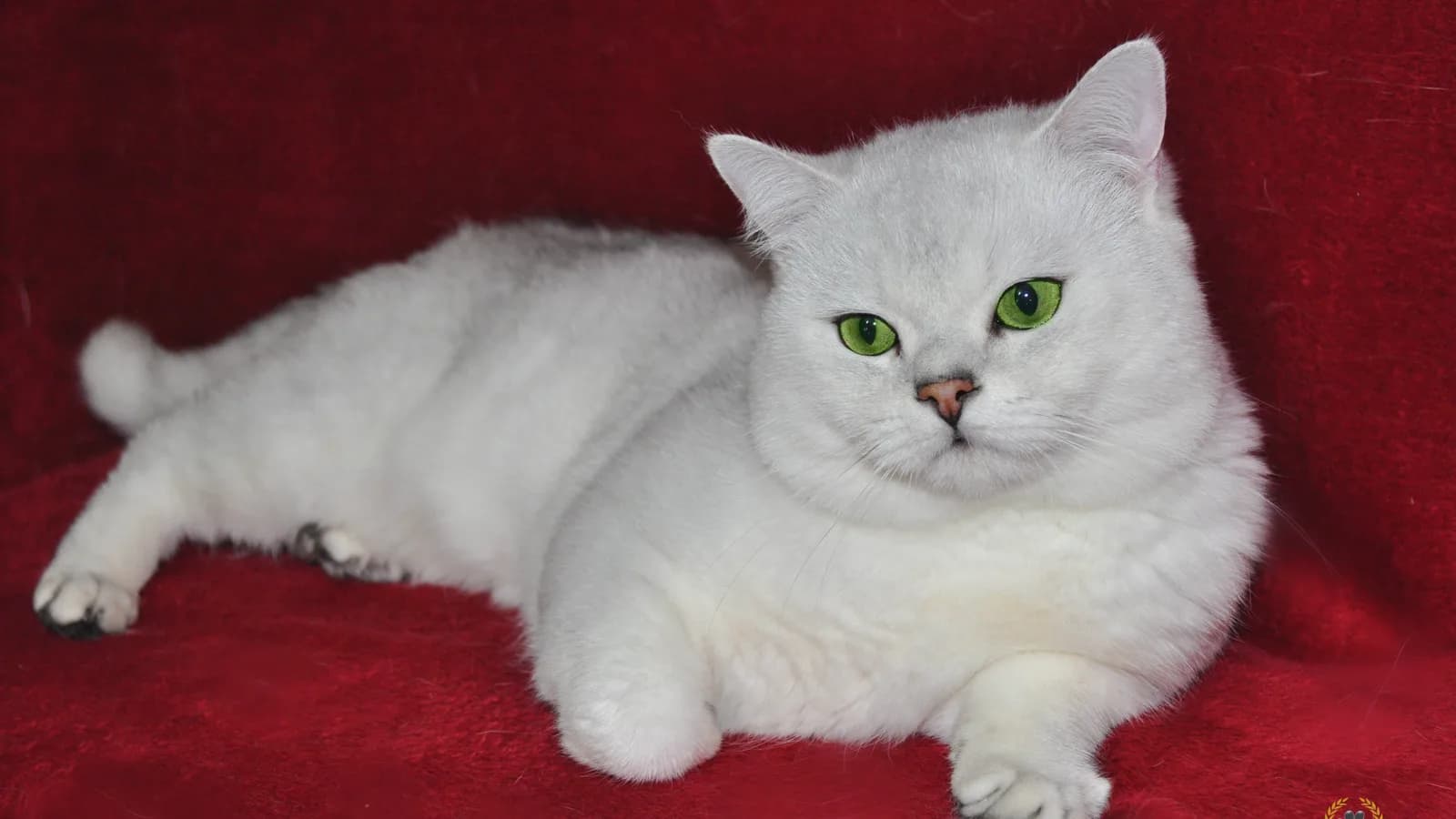
The shimmering "golden shaded" and "silver shaded" British Shorthairs of your feed are not two exotic novelties. They are the two halves of one official family. 's own structure calls it Tipped, and its consumer page says exactly which two you will meet: "you will most commonly see Black (silver) Tipped and Golden (non-silver) Tipped."
How tipping works
On a tipped coat, color is carried only on the very tips of the hairs, over a pale undercoat, so the cat sparkles as it moves. In the standard's own color-pattern vocabulary, the "undercoat" here means that pale base under the tipping. Put the tipping over a silvery-white base and you get the silver (black tipped) cat. Over a warm apricot-to-gold base, the golden. Same pattern, two ground shades. That is why files them as one group (with a Golden Tipped subdivision of its own) rather than two colors.
The "DNA-verified silver" trap
One caution this project has verified at the source and repeats on every silver page. The gene behind feline silver, the inhibitor, has never been formally identified in the peer-reviewed literature. UC Davis's veterinary genetics laboratory neither lists a silver gene in its coat-color table nor sells any silver DNA test. A breeder can show you a gorgeous, genuinely silver cat. What nobody can show you is a DNA certificate for silver, because no such test exists. Treat any listing claiming one accordingly.
What golden and silver actually cost
These are premium coats at many catteries, and here is a named, dated data point instead of a vague "expect to pay more". One Florida cattery's published pricing (August 2026) lists its silver British Shorthairs at $2,200, with golden at a $200 premium over that. Market-wide ranges, all four countries, named sellers: the price page.
Reading a golden/silver listing
Three quick checks. The registry word is Tipped () or shaded; a seller fluent in the registry vocabulary is a good sign. Golden is by definition the NON-silver half, so "golden silver shaded" as one phrase describes nothing in the standard. And the tipped pattern sits close to the smoke family (heavier color, same pale base) and the silver tabby (tipping organized into stripes). Our tabby page covers where those lines run.
 The vet's take
Veterinary review
Are you a vet?
Your professional read belongs here: every verified practitioner can leave a note, published once our editors have reviewed it.
Sign in and get your license number verified. We check it in the public register, we never ask for or keep a copy of your diploma, and your number is never published.
Frequently asked questions
What is a golden British Shorthair?
A British Shorthair in GCCF's Tipped family, the "Golden (non-silver) Tipped" half: color on the hair tips over a warm golden base coat.
Are golden British Shorthairs rare?
Scarcer than the blues and creams at most catteries, and often priced accordingly (one named US cattery: $200 over its silver price). No registry publishes color counts, so "rare" has no official number.
What is the difference between golden and silver shaded?
The base under the tipping: silvery-white versus warm gold. Same Tipped pattern, one GCCF family, two shades.
Can a DNA test verify silver?
No. The inhibitor gene has never been identified in peer-reviewed literature, and no laboratory sells a silver DNA test; "DNA-verified silver" is a claim no test supports.
 Community questions
Got a question this page doesn't cover? Ask it: the best ones get published here with their answer.
This is information, not veterinary advice, and it cannot tell you what is wrong with your cat. Our rule is a simple one: if something is wrong with your cat, call your vet, and call an emergency clinic if it is out of hours. Nothing you read here is a reason to wait.
Medical information applies to every reader. Prices, legal duties and common practice do not: unless stated otherwise, they are given for the United States, and they differ in the UK, Canada and Australia, and often between states or provinces. Check with your own vet and your own local authority.
Our sources

Worth keeping a paw on
Pin this guide
So you can find it the day you need it, and share it with someone whose cat does the same thing. One click and it sits in your board.
Pin it on Pinterest
 Purr or Pass
The cat newsletter
Our verified guides, no spam. Unsubscribe in one click.
More British Shorthair guides
The British Shorthair profile →
British Shorthair guide
British Blue Cat: Same Breed, Its Own Original Name
A British Blue IS a British Shorthair: the breed's own original name, kept alive by its most popular coat. The history, the color, and the answers to what British Blue searchers actually ask.
Read
British Shorthair guide
British Shorthair Price: What Named Sellers Charge, Market by Market
What British Shorthair kittens actually cost in the US, UK, Canada and Australia, from named catteries and live marketplaces, plus the price-guide-website trap to step around.
Read
British Shorthair guide
British Shorthair Breeders: What "Registered" Buys You, Market by Market
A closed breed almost everywhere: what "registered" means for a British Shorthair in each market, the pointed-cat trap for US buyers, and the tests to ask for.
Read
British Shorthair guide
White British Shorthair: Beautiful, Official, and the One Color With a Test
The white British Shorthair comes in three official eye colors, and the UK registry requires a hearing certificate before one can breed. Here is why, told straight.
Read
British Shorthair guide
Tabby British Shorthair: The Three Patterns the Standard Actually Names
The British Shorthair's standard names three tabby patterns: Classic, Mackerel and Spotted. What each looks like, how the silver tabby gets its shine, and the gene behind all of it.
Read
British Shorthair guide
British Shorthair Colors: How the Registries Actually Sort Them
All the British Shorthair colors as the registries actually organize them: five GCCF families, the colors CFA only just accepted, and the pointed cats one registry refuses.
Read
British Shorthair guide
Are British Shorthairs Hypoallergenic? No, and the Dense Coat Is a Red Herring
No cat breed is hypoallergenic, and the British Shorthair's famously dense coat changes nothing about the allergen. What the research actually says, and what helps.
Read
The floor belongs to our members. Keep it kind, links are not allowed, and images go through moderation before anyone else sees them.