

British Shorthair Colors: How the Registries Actually Sort Them
All the British Shorthair colors as the registries actually organize them: five GCCF families, the colors CFA only just accepted, and the pointed cats one registry refuses.
Published August 20, 2026 4 min read
Contents
Most color lists for this breed are a flat pile of fourteen names. The registries do not think that way, and their own structure is more useful. , which registers more British Shorthairs than any other body on earth, sorts the breed into five named color-and-pattern families. Here they are, with the divergences between countries stated instead of averaged away.
| family | What it covers | US () status |
|---|---|---|
| Self | white, black, blue, lilac, chocolate, red, cream, fawn, cinnamon | chocolate/lilac championship since 05/2025; cinnamon/fawn AOV since 05/2026 |
| Tabby | Classic, Mackerel, Spotted patterns | recognized |
| Tipped | silver shaded and golden shaded | recognized |
| Tortoiseshell & Bi-Colour | torties, bicolours, Van, Harlequin tier | recognized |
| Smoke | solid color over a pale undercoat | recognized |
| Colourpointed | the Siamese-pattern British | NOT registrable as a British Shorthair with |
Self: the one-color classics
's Self group is the solid coats: "white, black, blue, lilac, chocolate, red, cream, fawn and cinnamon," in its own words. Blue is the flagship (GCCF: almost half the breed's registrations are self colors). And white carries its own page, because it is the one color with a hearing-test rule attached. Cinnamon ("warm, rich cinnamon brown," per the standard) and fawn are full, established colors in GCCF, , and alike.
The transatlantic gap: what CFA accepts, and when it changed
The US registry runs years behind the rest of the world on this breed's palette, and its own registration rules date the catch-up precisely. Chocolate and lilac were accepted as "Any Other Variety" in May 2023, then promoted to full championship status in May 2025. Cinnamon and fawn only reached AOV in May 2026, months before this page was written.
And one whole family remains out: will not register a pointed cat as a British Shorthair at all, while and both give Colourpointed its own recognized category. CFA even guards the border with a DNA gate. An imported carrying chocolate, lilac or the pointed pattern in its first five generations needs a DNA test proving the cat itself carries none of them. If you are buying to show or breed in the US, the breeders page carries the full registration story.
Tipped: golden and silver, one family
What sellers call "golden shaded" and "silver shaded" is one family, Tipped: color carried only on the very tips of the hairs over a pale undercoat, in a silver version and a golden version. It is striking enough, and searched enough, to have its own page, mechanism included.
Tabby: three patterns in the standard
's standard describes three tabby patterns for the breed by name: Classic, Mackerel and Spotted. The silver tabby is the look most people picture. The tabby page covers the patterns and the genetics.
Tortoiseshell, Bicolour, Smoke, Colourpointed: the rest of the map
The remaining families complete the grid. Tortoiseshell (and -and-white). Bi-Colour, with a separate Van pattern and even a "Harlequin" tier between them. Smoke (solid color over a pale undercoat). And Colourpointed, the Siamese-pattern British with the registration asterisk described above. Every family exists in the blue-based colors as well as the rarer ones. That is why the full show catalog runs to hundreds of named combinations while the underlying system stays this simple.
 The vet's take
Veterinary review
Are you a vet?
Your professional read belongs here: every verified practitioner can leave a note, published once our editors have reviewed it.
Sign in and get your license number verified. We check it in the public register, we never ask for or keep a copy of your diploma, and your number is never published.
Frequently asked questions
What colors do British Shorthairs come in?
Nine self colors (white, black, blue, lilac, chocolate, red, cream, cinnamon, fawn) plus tabby (Classic, Mackerel, Spotted), tipped golden and silver, smoke, tortoiseshell, bicolour and colourpointed families, per GCCF's own five-family structure.
Is blue the most common British Shorthair color?
Yes by a wide margin in the UK: GCCF calls the British Blue the breed's "flagship," with almost half of registrations being self colors. Full story on the British Blue page.
Does CFA recognize all British Shorthair colors?
Not yet: chocolate and lilac reached full CFA championship only in May 2025, cinnamon and fawn entered as AOV in May 2026, and pointed cats cannot be registered as British Shorthairs with CFA at all.
What is the eye color of a blue British Shorthair?
The classic pairing is deep orange to copper eyes against the blue coat; eye color varies by coat color class across the breed (white alone has blue-eyed, orange-eyed and odd-eyed classes).
 Community questions
Got a question this page doesn't cover? Ask it: the best ones get published here with their answer.
This is information, not veterinary advice, and it cannot tell you what is wrong with your cat. Our rule is a simple one: if something is wrong with your cat, call your vet, and call an emergency clinic if it is out of hours. Nothing you read here is a reason to wait.
Medical information applies to every reader. Prices, legal duties and common practice do not: unless stated otherwise, they are given for the United States, and they differ in the UK, Canada and Australia, and often between states or provinces. Check with your own vet and your own local authority.
Our sources

Worth keeping a paw on
Pin this guide
So you can find it the day you need it, and share it with someone whose cat does the same thing. One click and it sits in your board.
Pin it on Pinterest
 Purr or Pass
The cat newsletter
Our verified guides, no spam. Unsubscribe in one click.
More British Shorthair guides
The British Shorthair profile →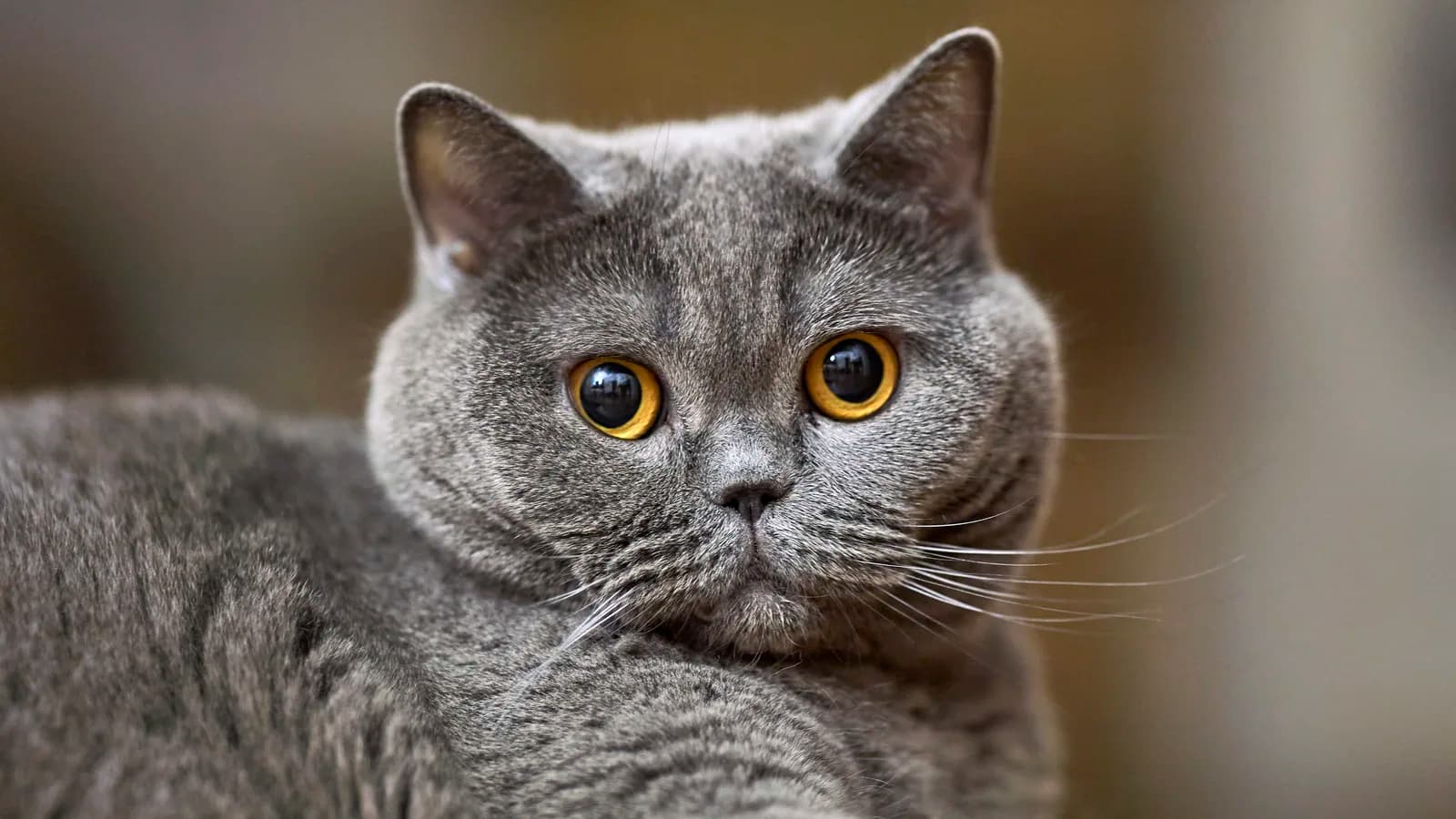
British Shorthair guide
British Blue Cat: Same Breed, Its Own Original Name
A British Blue IS a British Shorthair: the breed's own original name, kept alive by its most popular coat. The history, the color, and the answers to what British Blue searchers actually ask.
Read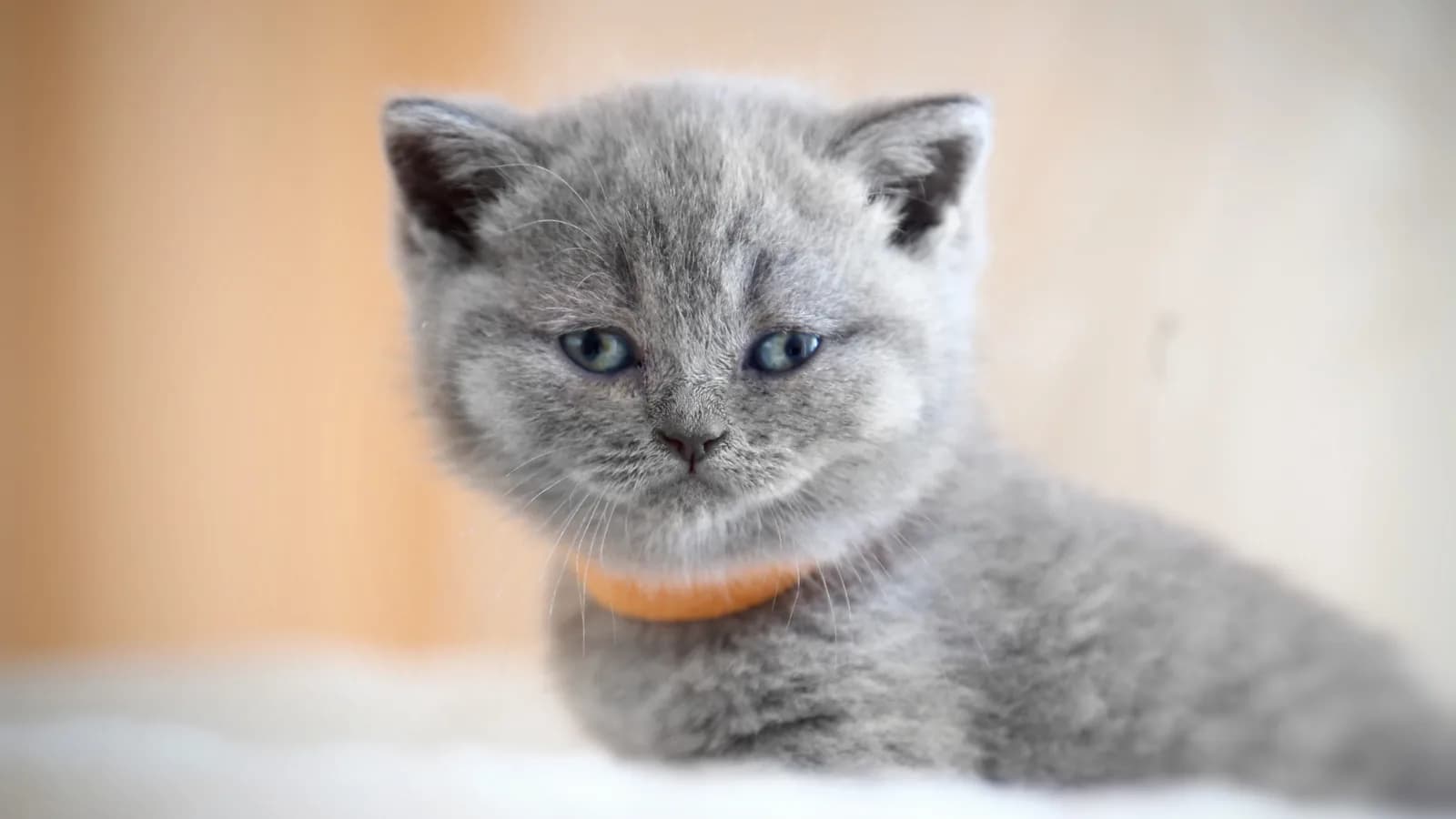
British Shorthair guide
British Shorthair Price: What Named Sellers Charge, Market by Market
What British Shorthair kittens actually cost in the US, UK, Canada and Australia, from named catteries and live marketplaces, plus the price-guide-website trap to step around.
Read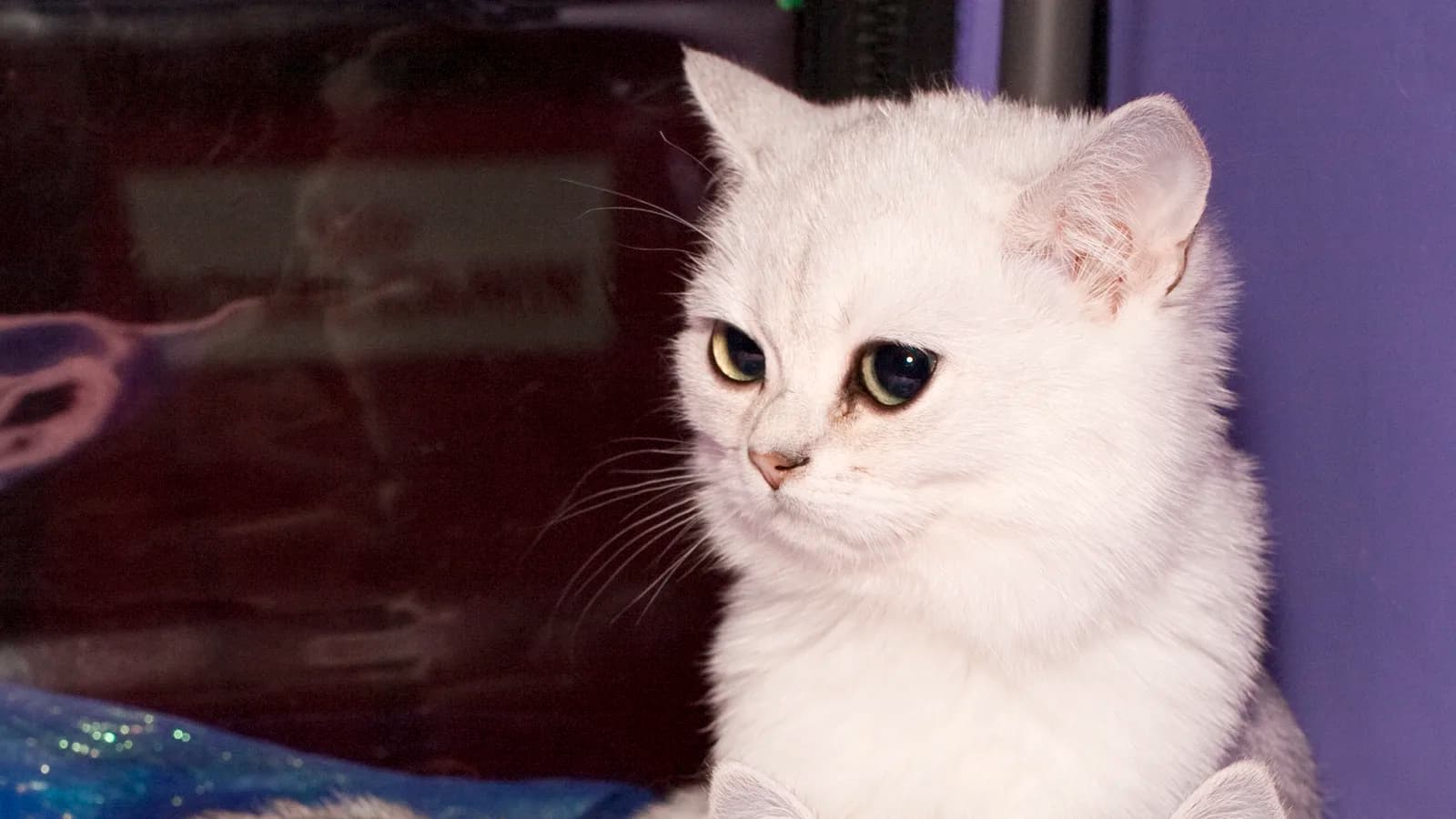
British Shorthair guide
British Shorthair Breeders: What "Registered" Buys You, Market by Market
A closed breed almost everywhere: what "registered" means for a British Shorthair in each market, the pointed-cat trap for US buyers, and the tests to ask for.
Read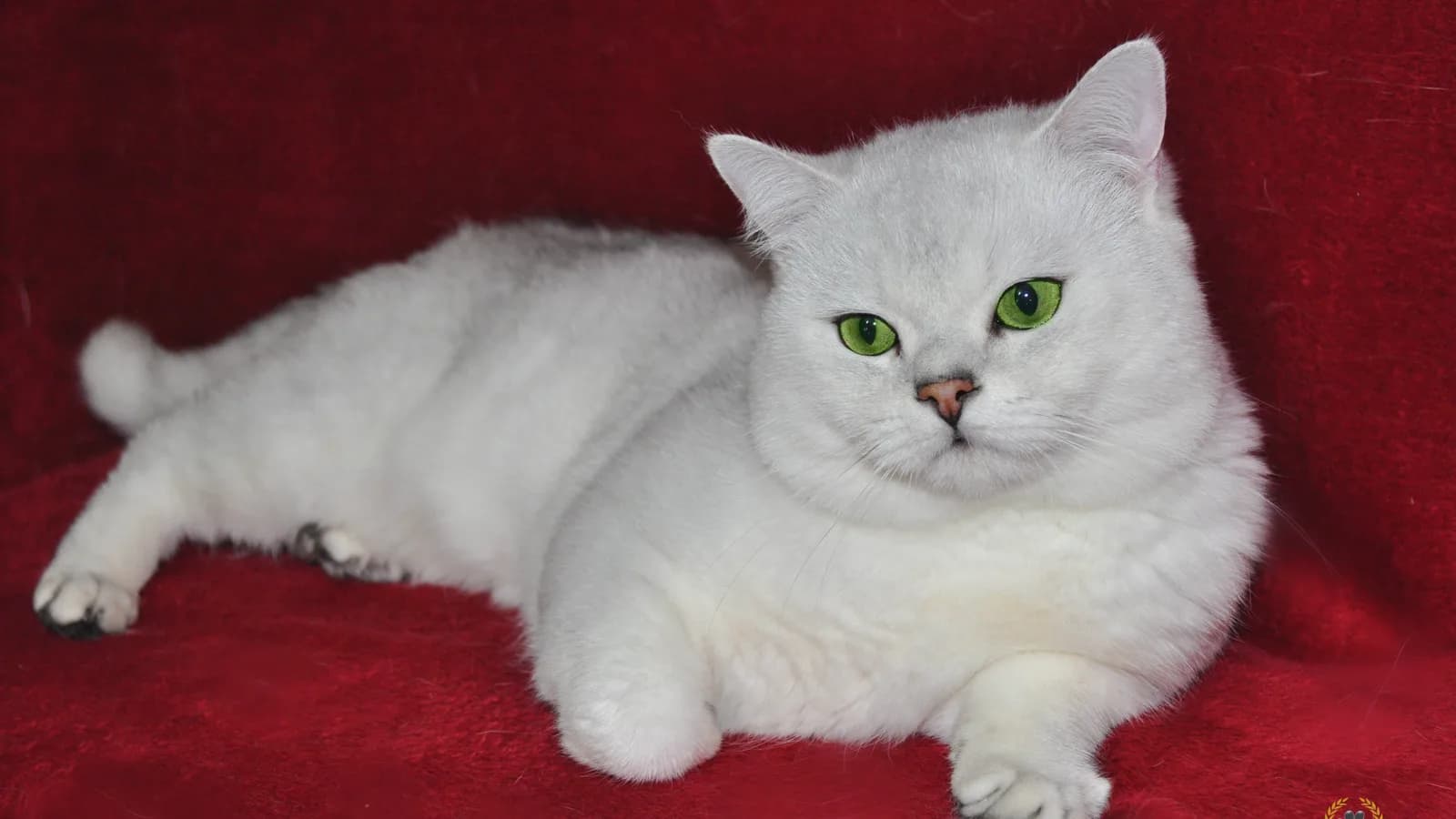
British Shorthair guide
Golden and Silver British Shorthairs: One Pattern Wearing Two Shades
Golden and silver shaded British Shorthairs are two halves of one registry family, Tipped. The mechanism, the "DNA-verified silver" trap, and what the premium actually costs.
Read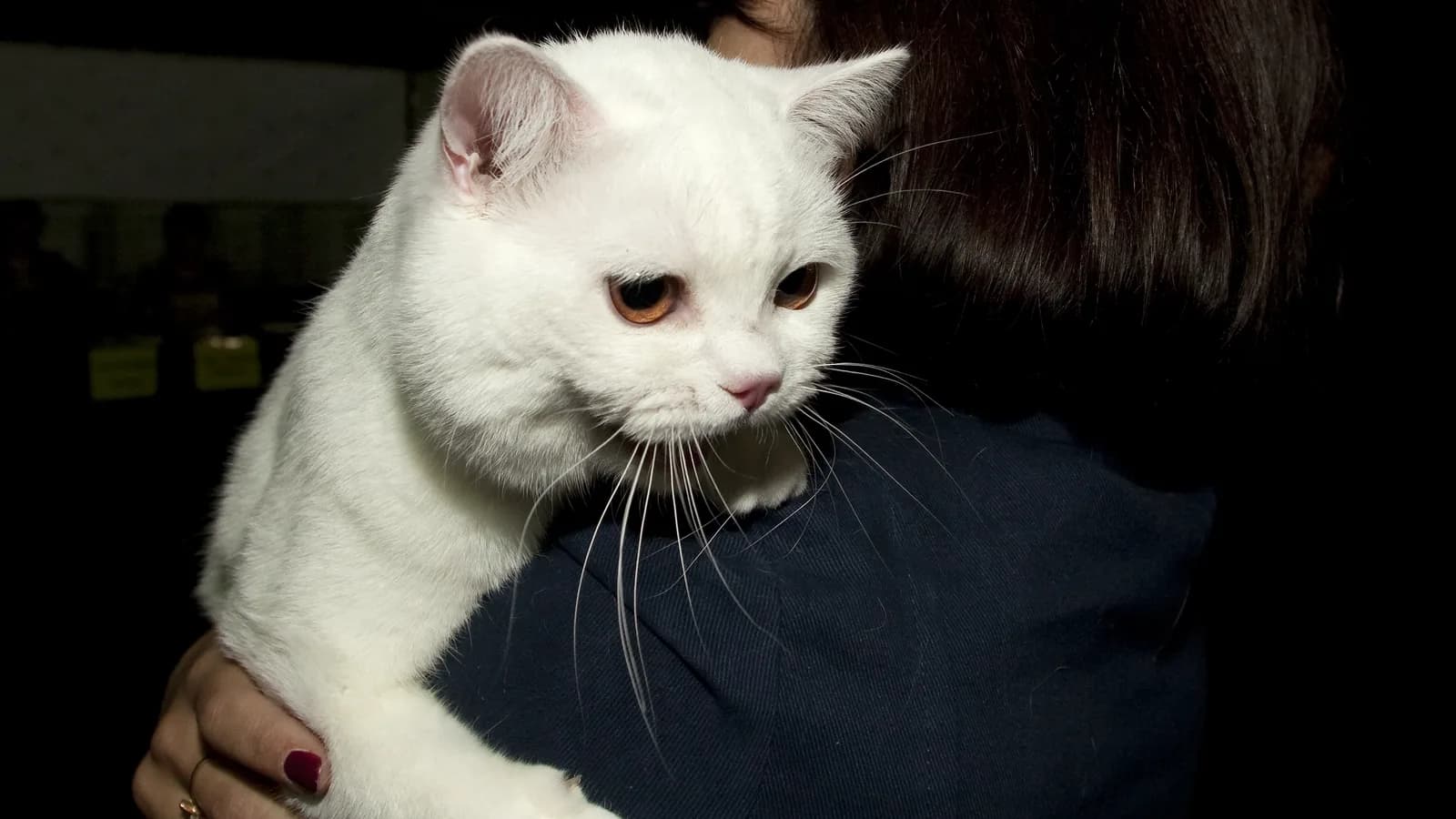
British Shorthair guide
White British Shorthair: Beautiful, Official, and the One Color With a Test
The white British Shorthair comes in three official eye colors, and the UK registry requires a hearing certificate before one can breed. Here is why, told straight.
Read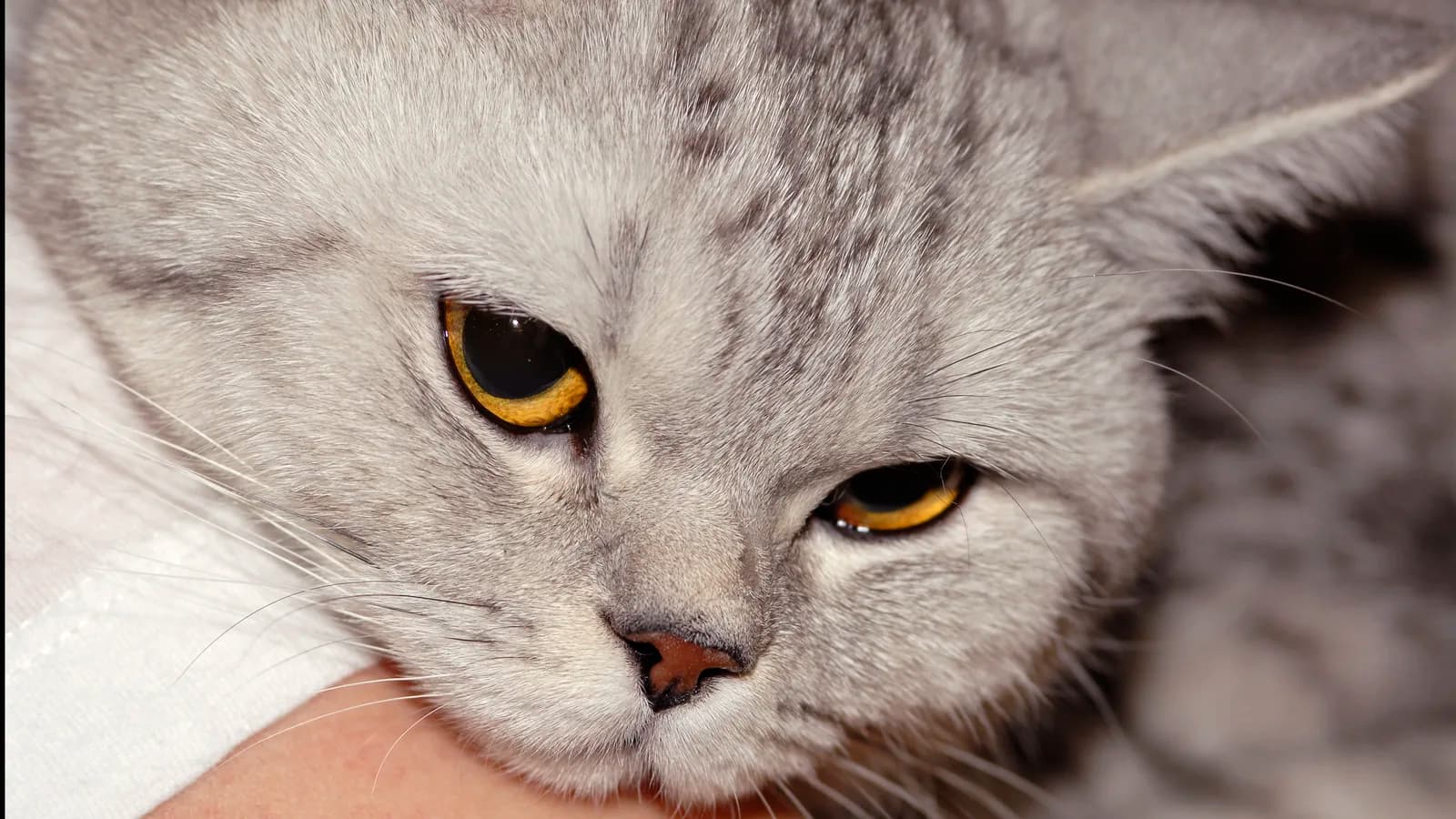
British Shorthair guide
Tabby British Shorthair: The Three Patterns the Standard Actually Names
The British Shorthair's standard names three tabby patterns: Classic, Mackerel and Spotted. What each looks like, how the silver tabby gets its shine, and the gene behind all of it.
Read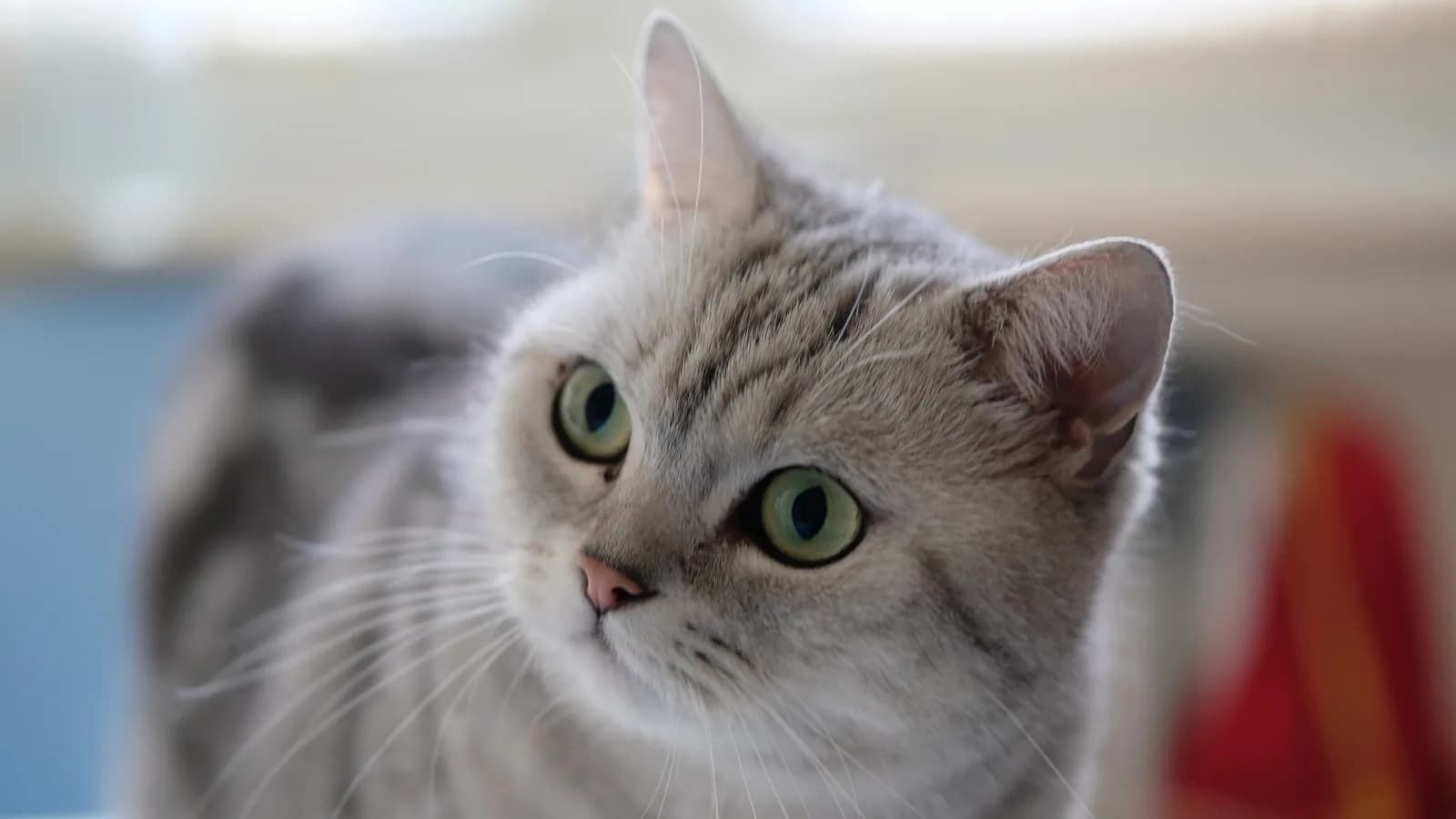
British Shorthair guide
Are British Shorthairs Hypoallergenic? No, and the Dense Coat Is a Red Herring
No cat breed is hypoallergenic, and the British Shorthair's famously dense coat changes nothing about the allergen. What the research actually says, and what helps.
Read
The floor belongs to our members. Keep it kind, links are not allowed, and images go through moderation before anyone else sees them.