


Researchers Read 1,100 Comments Under Videos of Cats Who Were Not Playing
Eleven videos captioned as play, all showing a cat that had run out of patience. Between 75 and 93 percent of the comments under each one were delighted. The study is really about how badly all of us read a cat.
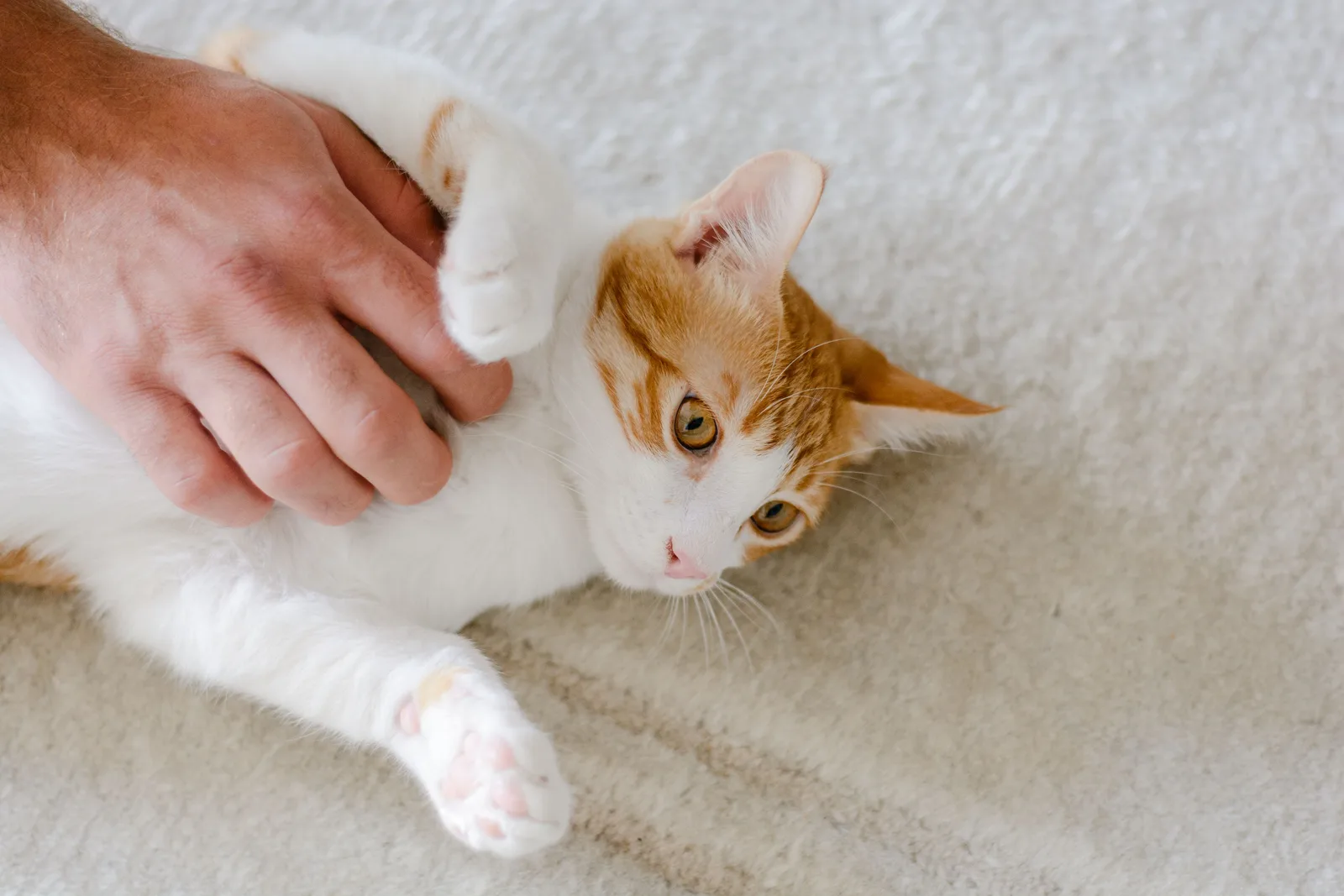
A team at the University of Adelaide picked eleven videos from YouTube, TikTok, Instagram and Facebook. All were captioned as play. All showed a cat doing the opposite: ears flat, tail thrashing, hissing, trying to leave. In seven of the eleven, the human had been visibly injured. Then the researchers read the first hundred comments under each one.
Between 75 and 93 percent of the comments under each video were positive. Not a single video had a majority of people saying the cat looked unhappy. "I was surprised at how many comments were positive," said Julia Henning, who led the study. "I had expected to find a more balanced spread."
Cookie · Editor-in-chief
So thousands of people watched a cat say no, in cat, and typed adorable.


Nora · Adoption desk
Most of them owned cats.
Cookie · Editor-in-chief
Worse. Much worse.
We are not showing you the videos, on purpose. The whole point of the finding is that watching one more does not teach you anything; knowing the vocabulary does. A cat that wants to keep playing has its ears forward, its pupils busy, and it comes back for more when you stop. A cat that has finished flattens its ears sideways or back, thrashes rather than flicks its tail, goes still and low, or simply tries to leave. Hissing and growling are not part of play. They are the sentence after the sentence you missed.
The researchers' point is not that anyone is being cruel. It is that the early signals are quiet, the late ones arrive as teeth, and a camera rewards the loud part. So when you play, stop before you think you need to and see whether your cat asks for more. If it does, you were both playing.
The discussion
What do you make of it?
Nora opened a thread on the forum for this one. Be the first to answer.
Join the discussionOur sources
- Julia Henning, The Conversation: play fighting or just fighting, a rethink on how we play with cats (August 2026), the lead author's own account of the study
- Henning et al., Anthrozoos, published 11 August 2026: the journal page refuses automated reading, so figures here come from the authors' own account and reporting of it
- ScienceAlert, coverage of the same study
Tell Google you want more of our stories in your results. Takes one click, and you can undo it there.

Worth keeping a paw on
Pin this guide
So you can find it the day you need it, and share it with someone whose cat does the same thing. One click and it sits in your board.
Pin it on PinterestBy Nora · The storytellerMore cat news
Science
Owners Dreaded Bringing Their Cat Indoors. Two Thirds Said It Was Easier Than They Feared.
Eighty-seven owners who moved an outdoor cat to indoor living were asked how it went. Most expected a battle. Half the cats had settled within weeks, and half the owners had made no preparations at all.
Read
Science
Your Cat Carries a Chemical Business Card, and It Is Made in the Kidneys
Cats leave a scent that says which cat left it, and it holds for at least a day. Japanese researchers have found where it comes from: fat droplets in the kidney that nobody could explain for over a century.
Read
Cat stories
She Went Out Through the Cat Flap. Five Months Later She Turned Up Fifteen Miles Away, in a Furniture Shop.
Cooper left a house in Gargrave in the spring. In August she walked into a shop in Keighley, fifteen miles across the Yorkshire hills. Nobody can explain the middle part.
Read